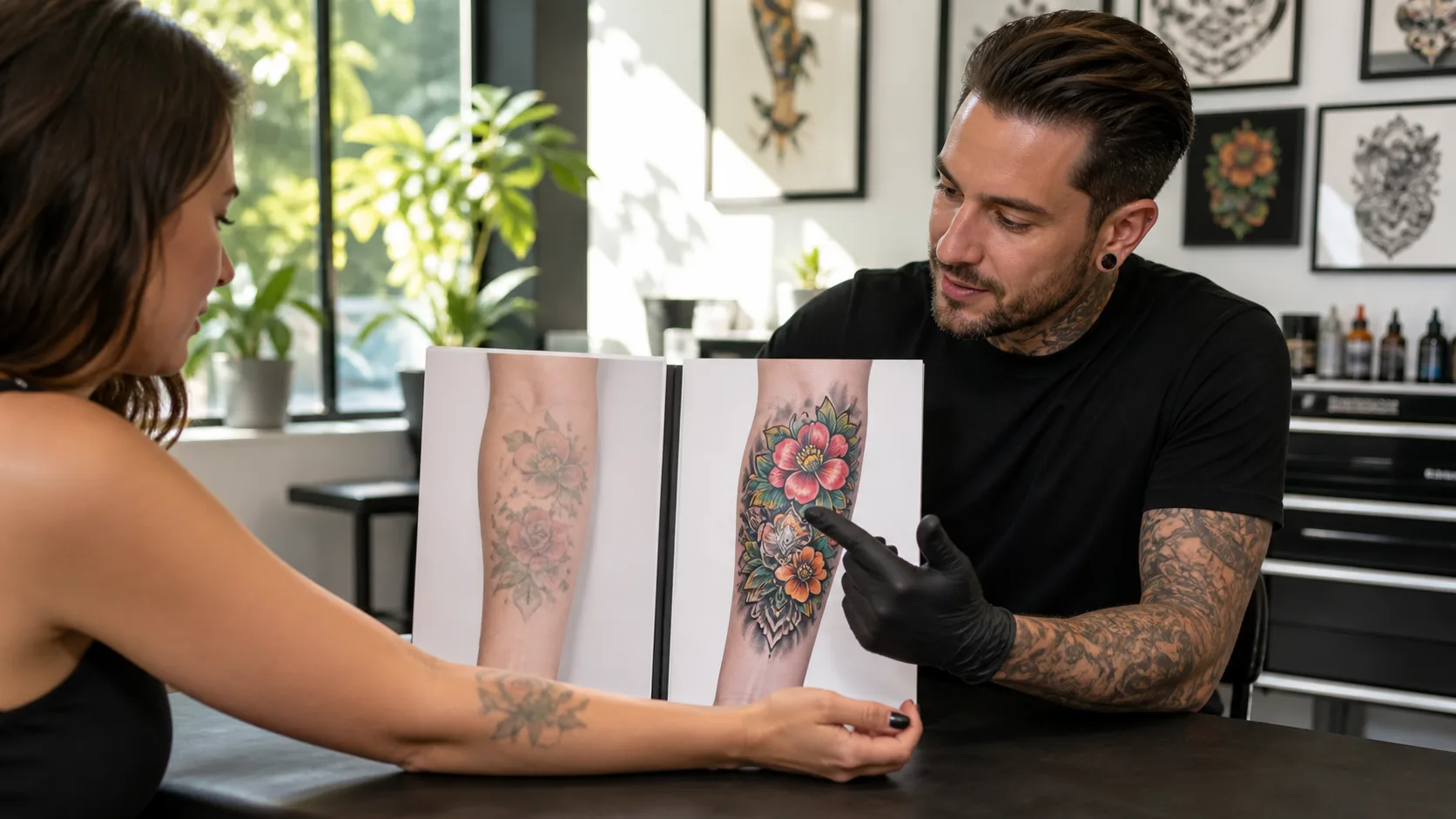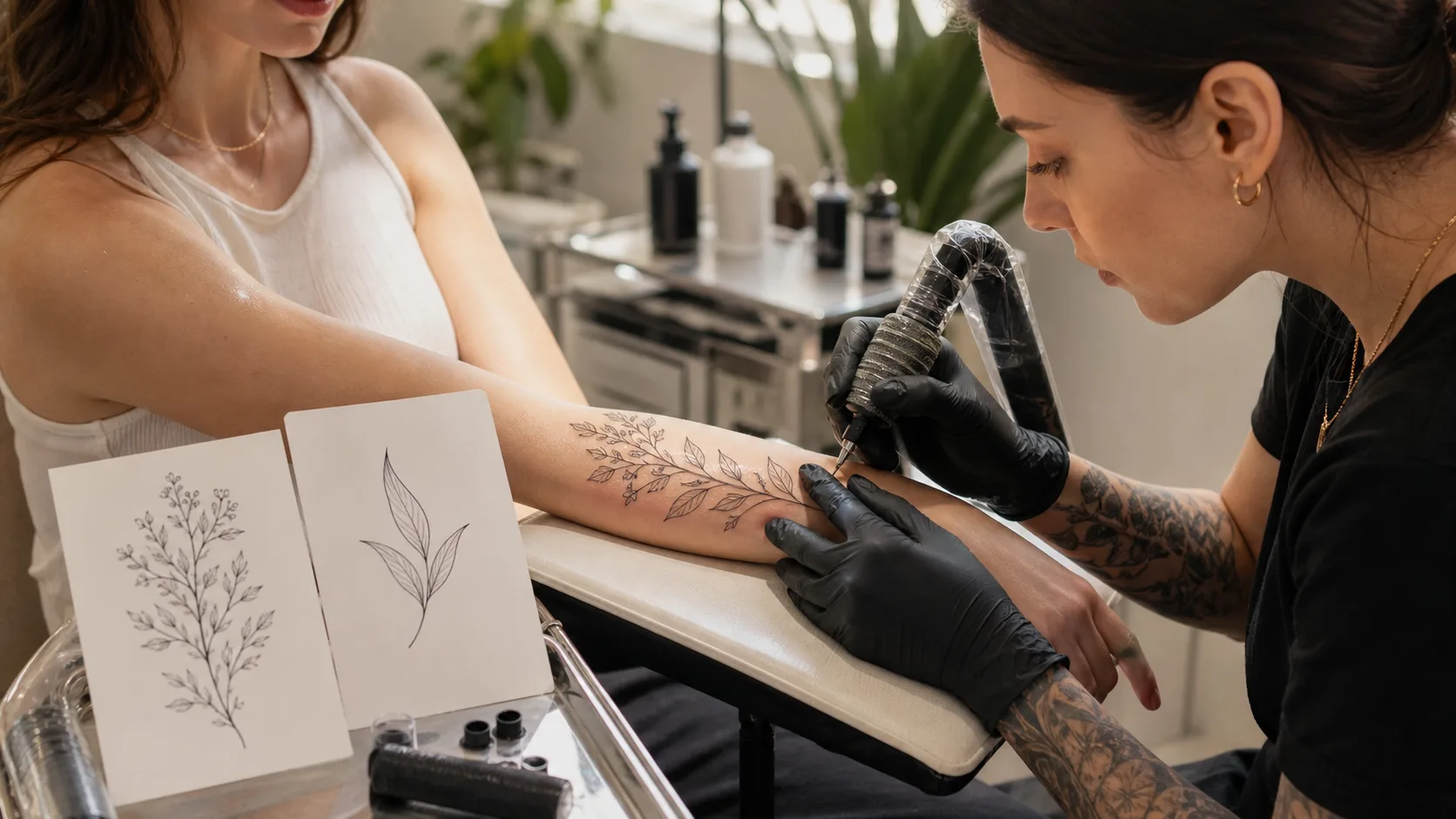
You just got a new tattoo and everything seemed to be healing fine, but then, out of nowhere, the ink that looked bold and crisp starts to appear cloudy or milky. If you’re standing in front of a mirror wondering what went wrong, you’re not alone. This cloudy look throws a lot of people off, especially if it’s their first tattoo. It’s natural to feel a little uneasy when something doesn’t look the way you expected.
The good news is that this usually isn’t a problem. It’s actually a part of the healing process, and that cloudy or milky layer is something most people experience. Knowing what’s normal and what’s not can make a big difference in how you care for your tattoo and how confident you feel during the healing period. Understanding what causes the foggy appearance now can help you avoid complications later.
What Causes a New Tattoo to Look Cloudy or Milky?
That cloudy finish might look strange, but there’s usually a simple reason behind it. The top layers of your skin are going through recovery, and as they heal, they create a temporary film that looks like a dull haze over the ink. You’re not losing ink, and the tattoo isn’t fading. What you’re actually seeing is your body doing its job.
When your skin is healing from a tattoo, it forms new layers over the damaged area. These layers are thin and slightly opaque while the skin repairs itself. Underneath all of that, your tattoo is still as strong and vibrant as it was the day you got it. Once those surface layers finish healing, the design will start to come back into focus.
You might hear people say their tattoo looks blurry or even think their artist made a mistake. That’s not usually the case. This stage is temporary and shows up most often during the second or third week after getting tattooed. It can be more obvious on larger or heavier pieces, like full-color sleeves or bold blackwork. But in nearly all cases, the cloudy look fades over time.
Here’s a quick breakdown of what might cause that foggy look:
– Your skin is forming new protective layers over the tattoo
– There’s still some trapped plasma, ink, or dry flakes under the surface
– The outermost layer hasn’t fully regenerated yet
– You’re in the peeling or flaking stage of healing
– The area may have become a little dry, causing dullness
The key is patience. Scratching, rubbing, or trying to peel the flakes off yourself can increase healing time or even damage the design. If you’re feeling unsure or noticing redness, swelling, or increased discomfort, it never hurts to talk things over with your tattoo artist to be safe.
The Stages of Tattoo Healing
Once your tattoo is finished, the healing process begins right away. Your skin just went through controlled trauma, and like any wound, it needs some time to repair. Understanding how that process works can keep you from worrying over normal things like a milky-looking surface.
There are a few main stages most tattoos go through after getting inked. While each person’s healing timeline might vary a little bit, these general phases are what most people experience:
1. Initial Healing (Days 1-6): Your tattoo will look bold and clean at first. Then, you’ll probably notice redness, swelling, or tenderness in the area. Light oozing or weeping is normal. During this stage, your body is working hard to close up the skin and protect against infection.
2. Peeling and Flaking (Days 7-14): This is when cloudiness often shows up. You’ll also see some light scabbing and peeling similar to a sunburn. That cloudy look is just fresh skin coming up to the surface. It can make the ink appear soft or faded, but it’s not permanent.
3. Maturation Phase (Weeks 3-6): As newer layers of skin settle in and get more transparent, your tattoo will start to sharpen again. The colors become more defined and the surface levels out. At this point, things should be mostly healed, though deeper layers might still be recovering.
An example: One client thought their black and gray portrait tattoo faded within the second week. What really happened was a mix of dry skin and natural peeling. By the fifth week, the design was clear and clean again once everything had settled.
If you’re mid-healing and feel like your ink is dull or fuzzy, give it time. Avoid judging your tattoo too soon and let your skin do its thing. Proper care plays a big role in how quickly your skin returns to normal. That’s why aftercare really matters, which we’ll go over next.
Proper Aftercare to Ensure Clear, Bright Tattoos
Once your tattoo is complete, what happens over the next few weeks can make a huge difference in how it looks long-term. Cloudiness during healing is common, but with good aftercare, you can help your skin heal evenly and keep your ink crisp. Keeping things clean, moisturized, and protected is the name of the game here.
Follow these steps to support better healing and reduce the chance of prolonged cloudiness:
– Gently wash your tattoo 2 to 3 times a day with lukewarm water and fragrance-free soap. Never scrub. Only use your hand to apply light pressure while washing.
– Pat the area dry using a clean, soft towel. Avoid rubbing, which can irritate your skin and break scabs too early.
– Apply a thin layer of fragrance-free tattoo lotion or moisturizer after each wash. Don’t overdo it. If the skin looks shiny and slick from the ointment, that’s a sign you applied too much.
– Stay away from creams that contain alcohol, dyes, or heavy fragrances. These often make healing harder and can cause breakouts or dryness.
– Avoid direct sunlight. UV rays can affect healing skin and cause the tattoo to look faded or blotchy. Always keep it covered or stay in the shade when you’re outside for extended periods.
– Hold off on swimming, soaking baths, or hot tubs until your tattoo is fully healed. These environments invite bacteria and can soften scabs too early.
– Don’t pick or peel the tattoo, no matter how itchy it gets. Let the flaking and scabbing happen naturally. Interfering can pull ink from the skin or lead to patchy healing.
Ignoring some of this care can draw out the healing process and make that cloudy appearance last longer. It could even cause uneven healing across different spots of your tattoo. Listen to your body, and don’t rush it. Consistent care every day makes a bigger impact than trying to fix something later.
When to Visit Walk-in Tattoo Shops in Buffalo for Extra Care
Sometimes, even with good aftercare, problems pop up. If you’re seeing signs that your tattoo just isn’t healing the way it should, take a closer look. There’s a difference between temporary cloudiness and something that signals the need for professional help.
You might want to visit a local walk-in shop if:
– The cloudiness lasts well after the fourth or fifth week
– The skin stays red, sore, or hot to the touch for too long
– There’s a yellowish fluid or crust that doesn’t go away
– You feel itching that turns painful or leads to swelling
– Large sections of scabs fall off too early and look raw underneath
These aren’t always signs of a big problem, but they’re definitely worth a second opinion. It’s better to have an artist check on it early than to wait and wish you had later. Walk-in tattoo shops in Buffalo offer a chance to stop in, talk face-to-face, and make sure everything’s on track.
Winter in Buffalo can bring extra challenges too. Cold air and indoor heat dry the skin out, which can make healing tattoos feel itchier or flakier than expected. Even if your tattoo looks fine at first glance, that dry air could stretch things out. Hydrated skin heals better, whether your tattoo is color, grayscale, or portrait-style.
Lots of people get nervous about overreacting or bothering their artist, but you’re never a bother when it comes to your skin. A quick visit can be the difference between a fast fix and weeks of frustration.
Your Tattoo Deserves the Best Care
Cloudy or milky tattoos catch many people off guard, but they’re usually a normal part of healing. Your skin is just doing its job. That temporary haze forms while your fresh layers grow back and protect the ink underneath. Once those layers settle, your design will show through brighter and clearer.
Making sure your tattoo heals right takes patience, good habits, and quick action if something looks off. Don’t cut corners, especially in the first month. Following smart aftercare steps helps your skin do the heavy lifting. And if something doesn’t feel right or look the way it should, checking in with an artist is always a safe move.
Healing isn’t just about time. It’s about paying attention and giving your body what it needs to recover. When you take care of the process, the results will follow.
When your tattoo needs extra attention or you’re dealing with persistent healing concerns, it’s important to turn to experienced professionals. Many people find that walk-in tattoo shops in Buffalo are a great way to get quick, reliable support during the healing process. At Lucky Deville Tattoo Co, our skilled artists are ready to help ensure your ink looks its best. Whether you need a quick check-up or expert advice for maintaining your tattoo’s vibrancy, we’re here to assist you throughout your tattoo care journey.