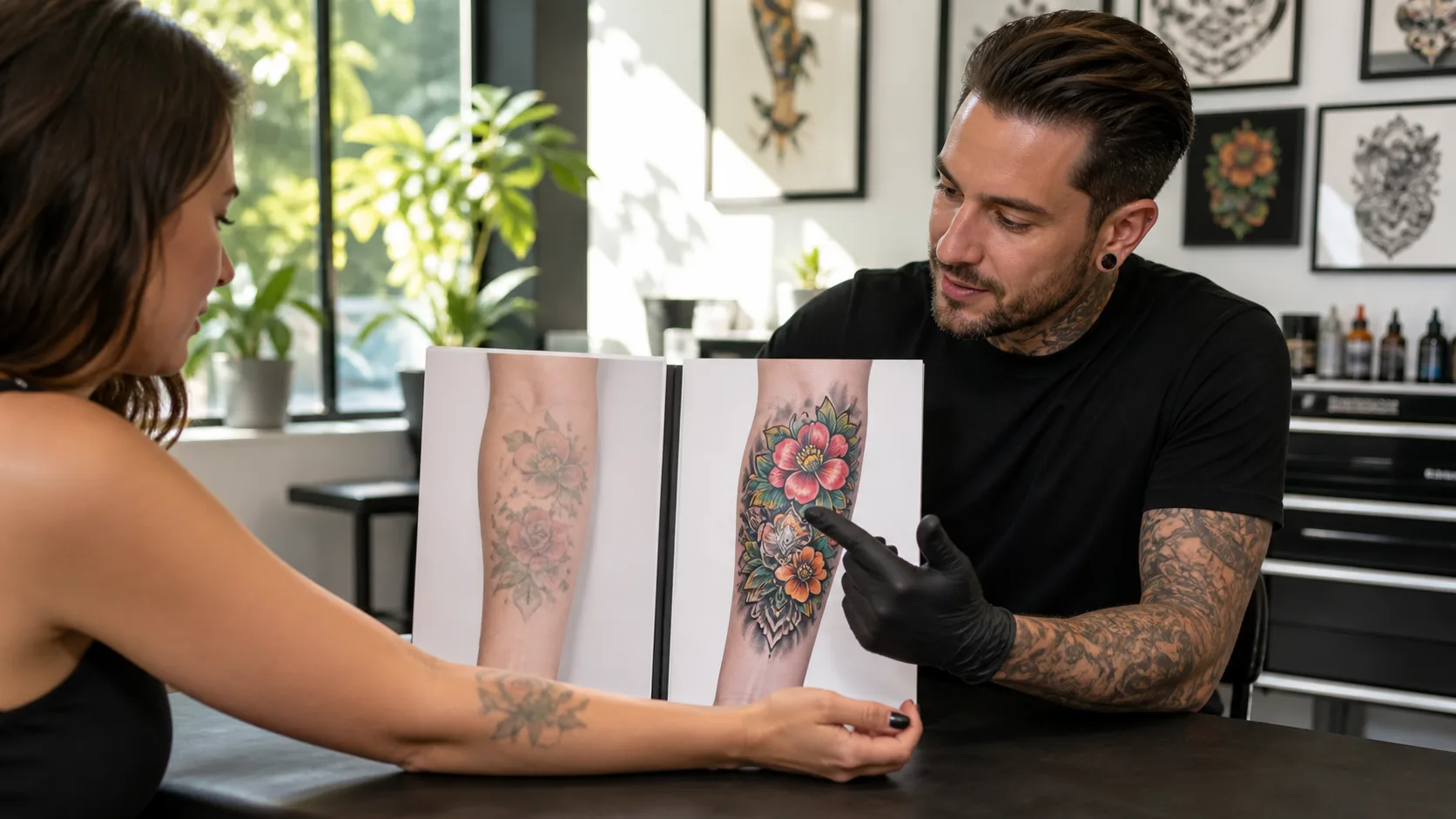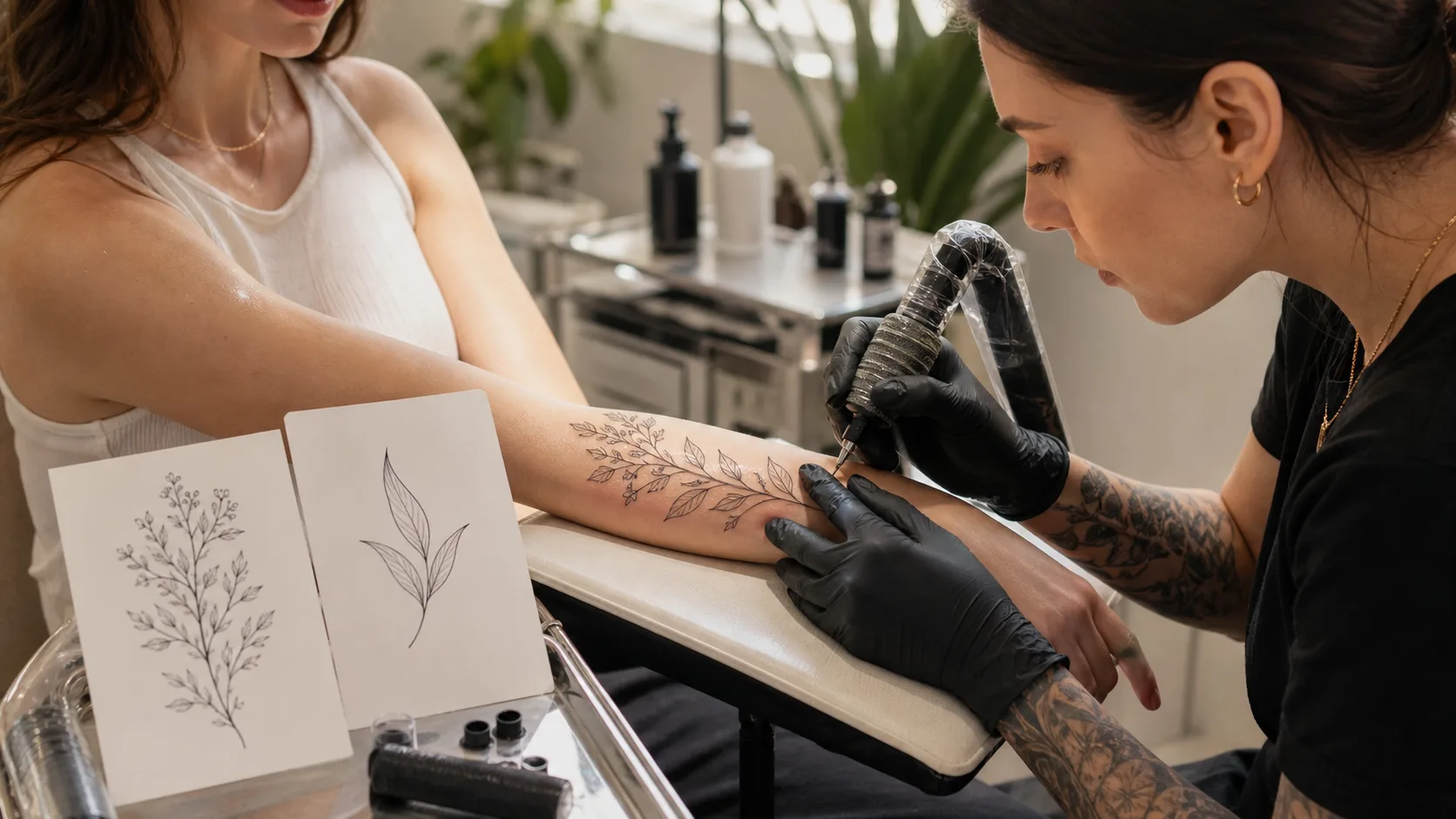
Small detail tattoos bring a unique kind of beauty. They’re meant to capture something precise and personal, often making strong impressions with thin lines, soft shading, and delicate shapes. Because they aim to do so much in such tight spaces, they rely heavily on exact ink placement and smooth execution. When done right, they can turn skin into a powerful canvas for storytelling or symbolism. But when things go wrong, the smallest line can throw off the entire piece.
Getting tattooed during the winter in Buffalo adds another layer to think through. Cold air can dry out skin, and rough weather might affect how tattoos heal. This makes it even more important to get everything right from the start, especially when dealing with fine detail. Let’s look at what makes small detail tattoos harder to pull off, and how to recognize when something doesn’t look or feel quite right.
Importance Of Precision In Small Detail Tattoos
Detailed tattoos don’t give you much room to hide mistakes. Every dot, line, and shadow plays a part. Tiny letters, geometric shapes, or micro designs all need to stand up to time and movement on the skin. It’s not just about how the tattoo looks when it’s fresh. Precision helps it stay readable and clean even years down the line.
One of the biggest challenges artists face is keeping consistency. A steady hand can’t always overcome poor-quality needles, inconsistent machines, or ink flow problems. Plus, your skin reacts a bit differently depending on the spot on your body, how hydrated it is, or how much sun or cold it’s been exposed to. That’s where the winter weather in Buffalo can sneak in, causing dry patches or tightness that affect ink distribution. Dry or tight skin may not hold ink the same way, which can mess with line sharpness or cause breakage in delicate details.
Some of the most common problems tied to precision in small tattoos include:
– Wobbly or uneven lines that don’t match the intended design
– Blurring in places where thin lines should remain sharp
– Faded or missing ink in small spaces that rely on clean fill
– Tattoos that started out fine but lost shape or meaning after a few months
Imagine a tattoo of a tiny paper crane with soft shadowing. Every fold needs to be sharp to give it that 3D look. If one section blurs even slightly or a fold doesn’t connect, it no longer feels complete. That level of detail takes a skilled hand, well-maintained tools, and great skin prep.
Paying attention to how these tattoos are applied and how they hold up helps you know when something might be off. The more you recognize what good precision looks like, the better your eye becomes at catching red flags.
Common Indicators Of Quality Issues
Even with a solid design, things can go wrong during or after the session. Poor execution doesn’t always show up right away. Sometimes it creeps in during the healing stage or even after the tattoo’s been exposed to a few months of weather, showers, and clothing friction. Keeping an eye out for early signs of trouble can help avoid long-term disappointment.
Here are some of the easiest ways to spot a small detail tattoo that didn’t turn out as it should:
1. Uneven Lines
– Lines that thicken or thin in the wrong places could mean the artist lost control of the machine or the skin wasn’t properly prepared
– Wiggles, skips, or breaks in solid lines stand out even more in tattoos with minimal elements
2. Fading Colors
– If a small section of the design looks faded compared to the rest of the tattoo, it might not have taken the ink well
– Overworked skin can push ink out as it heals, which leads to patchiness or dullness
3. Blotching or Blurring
– Ink that spreads out under the skin instead of staying in sharp lines is often called a blowout, and it’s more noticeable in small, clean art
– Soft shading that looks muddy or bleeds into nearby lines is another sign of poor control during the session
Spotting these problems early makes a big difference. While some fixes are possible, others may mean starting fresh with a new piece. The goal is to catch the issues before they become impossible to ignore or correct. Keep checking how your tattoo settles in once it’s healed, especially if it was done in the colder months when skin recovery can be more unpredictable.
Causes Of Quality Issues In Small Tattoos
Even when the tattoo plan looks great on paper, things can still go wrong once the needle hits skin. Quality issues in small detail tattoos can often be traced back to a few key causes. Some are out of your control, while others can be avoided with the right decisions early on.
Start with the artist’s skill level. Working with fine detail takes experience. The smaller the design, the less room there is for mistakes. If the artist isn’t comfortable with tight placements or doesn’t have a steady feel, you might end up with shaky line work or patchy shading. The type of machine and needle being used can also affect the end result. For example, if the machine runs unevenly or the needle size isn’t right for precision, the ink may not go into the skin properly.
Then there’s the matter of skin type. Everyone’s skin reacts differently. Oily skin might not hold ink the same way as dry or mature skin. Same goes for thick or thin skin in different areas of the body. Cold Buffalo winters can make your skin drier than usual, especially if you spend time outside in low temps or heated indoor spaces. Dry skin cracks more easily and doesn’t always absorb ink evenly.
Healing is another big factor. Tattoos don’t just end at the shop. If the healing process is rough, your tattoo can fade or shift before it’s had a chance to settle. Improper aftercare, scratching, tight clothing, or extreme cold can all affect how well your detailed work stays in place. Even something small, like sleeping on your fresh ink or covering it with damp fabric in the winter, could throw off the final look.
How To Prevent Problems With Small Detail Tattoos
If you’re planning a small detailed piece, a little prep goes a long way in helping things turn out well and last long. You can’t control everything, but here are some ways to make sure your tattoo starts off strong:
– Choose the right artist
Look through full portfolios, not just the best shots. Focus on healed photos of tattoos with small text, fine lines, or close-up designs, especially ones done recently. If someone doesn’t show much healed work, that’s a red flag.
– Prep your skin
Buffalo winters aren’t kind to dry skin. Use fragrance-free lotion in the days leading up to your appointment, nothing oily or greasy, and drink plenty of water. Skip exfoliators, peels, or other harsh treatments close to your tattoo date.
– Ask questions during your consultation
It’s okay to ask how comfortable the artist is with tiny lettering or fine geometric pieces. They should be able to walk you through their method and what they’ll do to keep the detail intact.
– Follow all aftercare instructions
Once your tattoo is done, how you treat it during healing makes a big difference. Keep it clean, don’t pick or scratch it, and avoid tight or scratchy clothing that could rub or trap moisture.
– Avoid extreme cold on fresh tattoos
Cover up well without pressing fabric too tightly against the area. Heated car seats or dry indoor heat can dry skin quickly, so balance it with light moisturizing and never overdo it.
While these steps won’t stop every issue from coming up, they lower the chances that something small turns into something frustrating. Staying involved in the process before and after your session gives you the best shot at ending up with clean lines and sharp details.
Making Small Details Count In Buffalo
Buffalo’s weather brings some extra things to think through when it comes to tattoos, especially during the colder months. Dry air, cold winds, and layered clothing can affect both the tattoo process and healing time. That’s why planning ahead and knowing what to look for makes such a big difference. When skin is healthy and your artist knows how to adapt, detailed tattoos come out sharper and can stay that way for years.
You don’t have to get overwhelmed by the details. Instead, use them to guide your decisions from the start. Choosing the right artist, knowing how to prepare your skin, and paying close attention after the session all play a role in how well your small tattoos turn out. A little effort before and after you get inked can protect your investment and give you the results you actually want.
If you’re getting tattooed in Buffalo this winter or just thinking about it, now’s a good time to start planning smart. Tattoos are permanent, but the steps to keep them looking good don’t have to be complicated. Watch for quality issues, stay informed, and don’t settle for rushed work when it comes to something that’s meant to be meaningful.
Enhance your tattoo journey by ensuring each tiny detail holds its charm, especially in the colder months. At Lucky Deville Tattoo Co, our skilled artists understand how the weather can affect healing and design clarity. Learn more about how we approach detailed tattoo work with precision year-round by exploring our tattoo services in Buffalo.