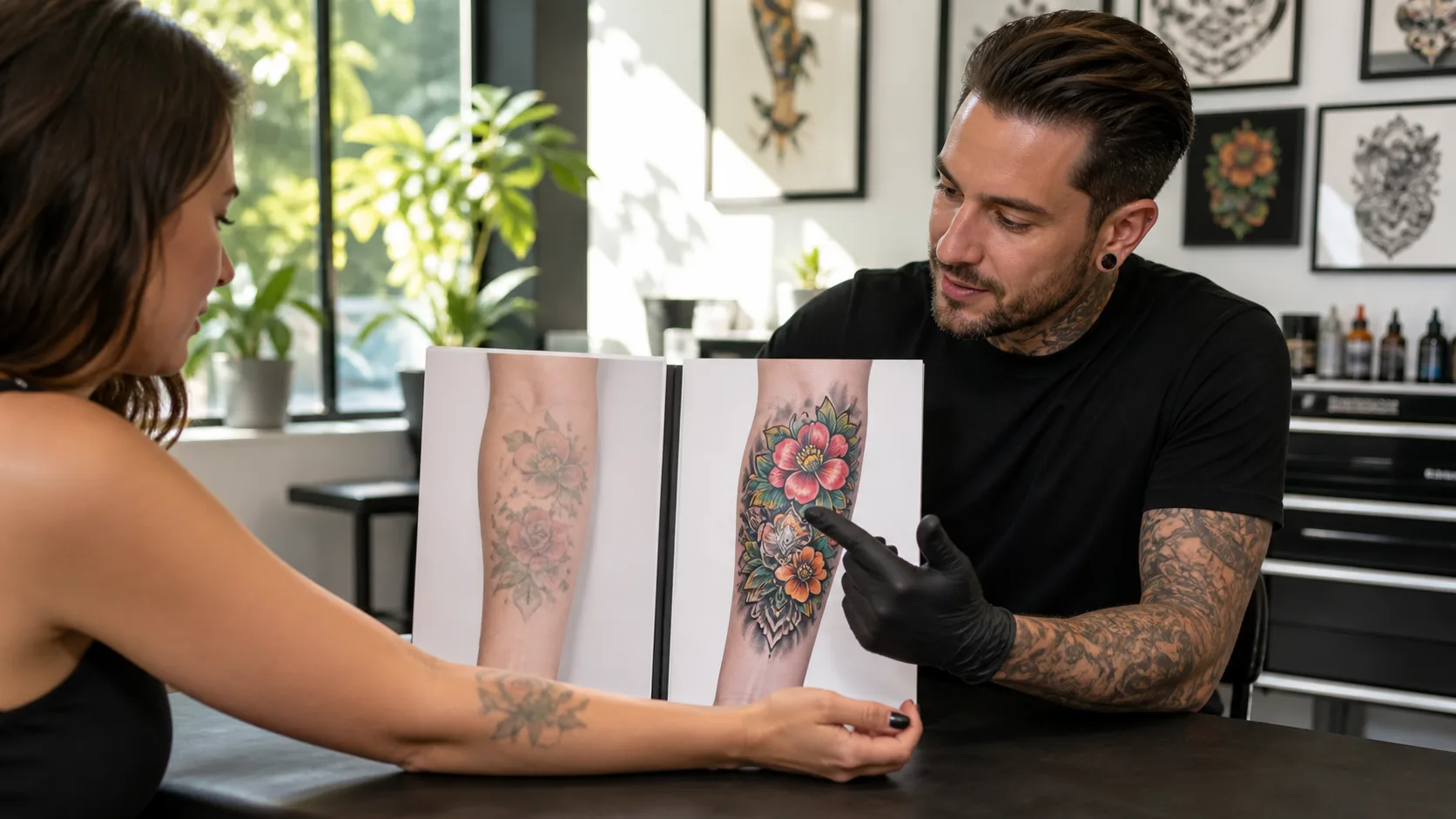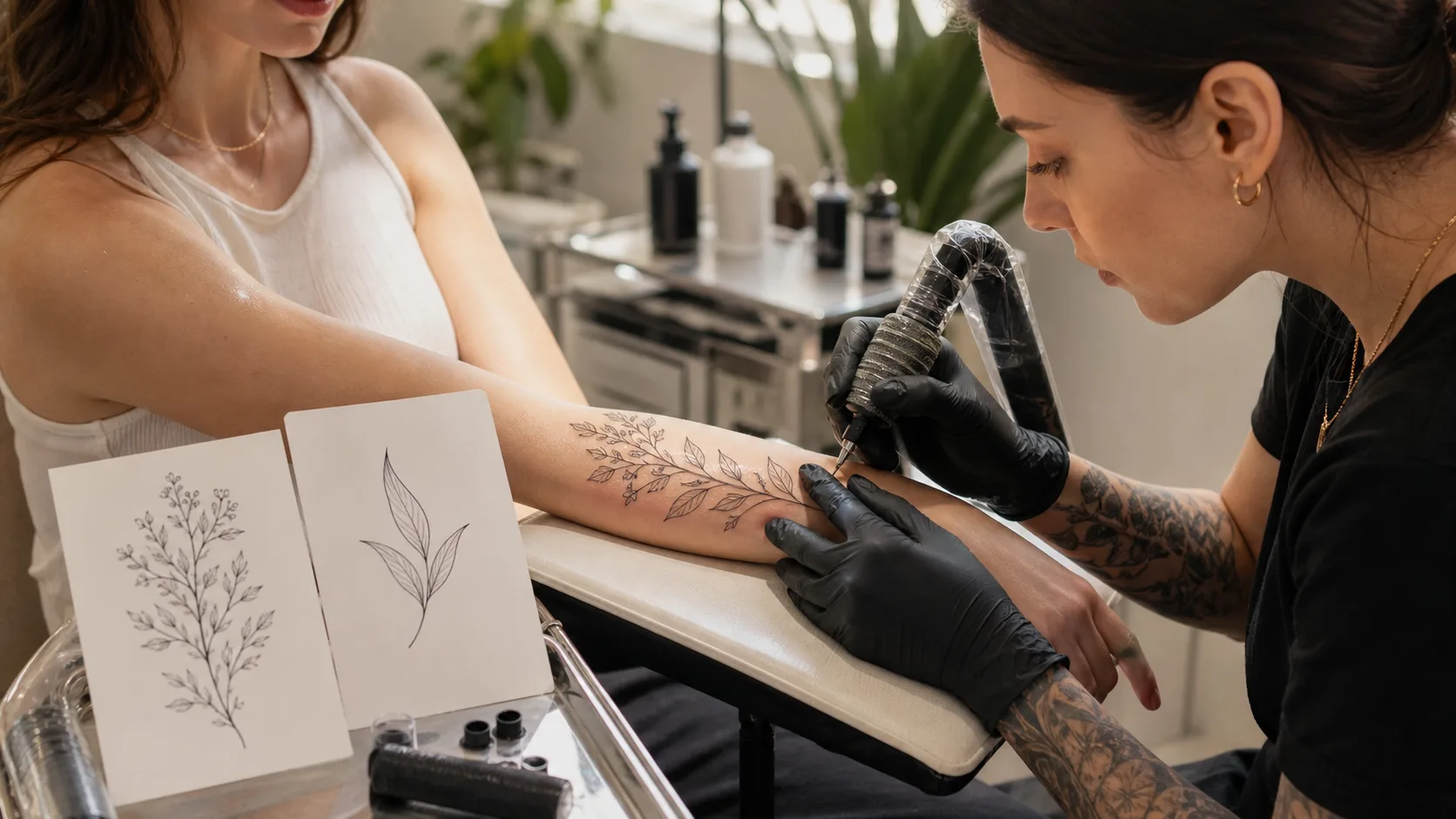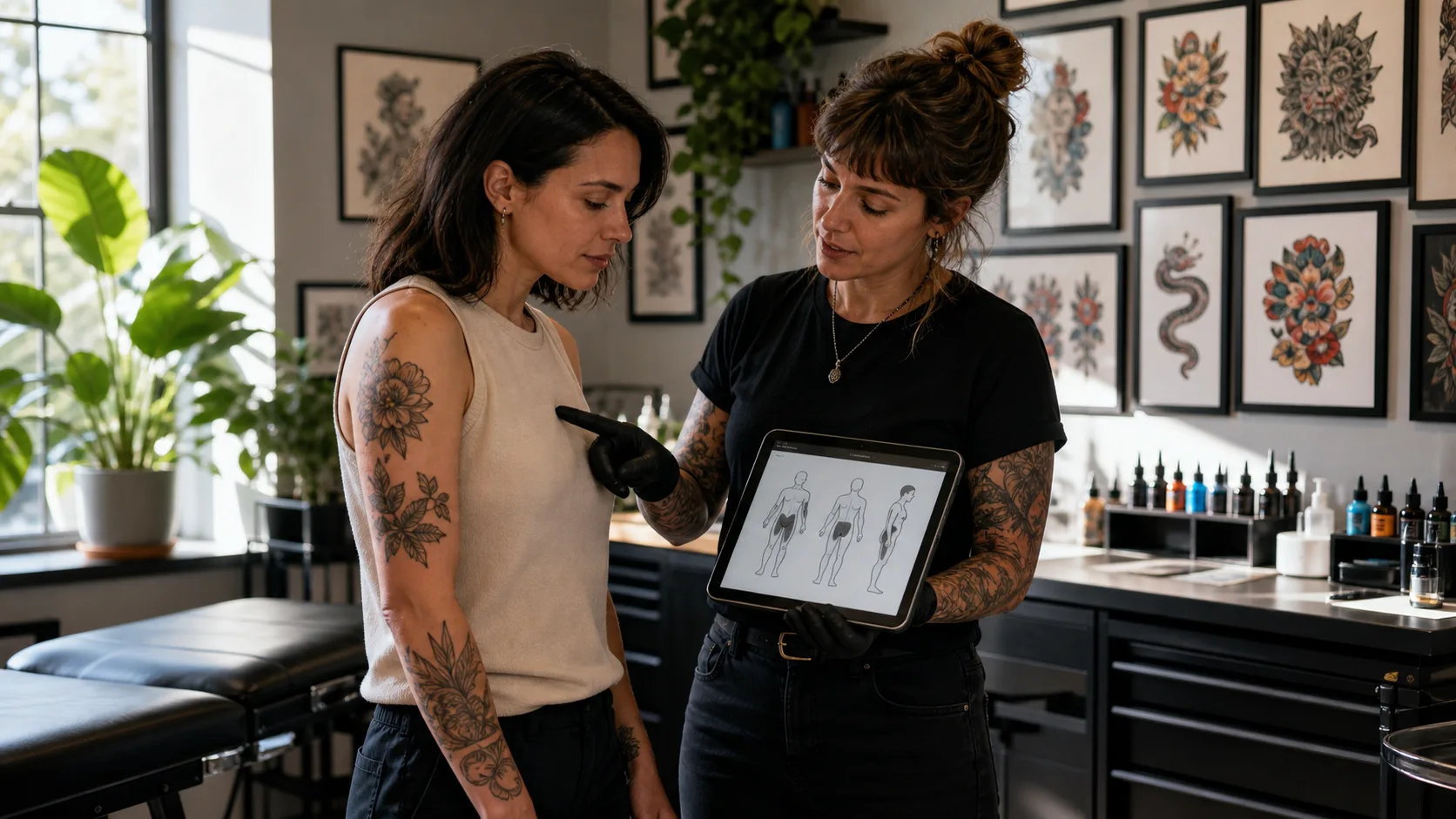
When you get a new tattoo, your skin goes through a healing process that takes time, patience, and the right kind of care. That healing process can be affected by more than just how well you follow aftercare instructions. One big factor is the weather. From dry air to low temperatures, changing seasons can slow things down or make the healing experience less comfortable.
For anyone in Buffalo, October marks the start of colder days, shorter sunlight hours, and biting wind. This shift from summer to fall isn’t just a weather report. It’s the perfect time to reevaluate how you care for healing tattoos. Buffalo’s climate brings unique challenges, so being ready for them can help protect your skin and your ink.
Lucky Deville Tattoo Co has seen what Buffalo weather can do to fresh tattoos. Their artists understand how shifting temperatures and dry air play a role in the healing process. That experience means they’re ready with helpful advice for keeping tattoos safe through fall and winter.
How Cold Weather Affects Tattoo Healing
Cold temperatures can make fresh tattoos feel more sensitive than usual. When your body is exposed to chilly air, your skin naturally starts to dry out faster. Healing tattoos lose moisture just like any other fresh wound, but when you add freezing air, wind, and indoor heating, that process gets harder to manage.
Dryness is one of the top concerns during colder months. As the skin dries, it feels tighter, flakes more, and becomes itchy. Scratching, rubbing, or even just wearing rough clothing can interrupt the healing and damage the ink. The skin around your tattoo needs a healthy barrier to heal steadily.
Here are a few ways to protect your tattoo from weather-related damage:
– Use a fragrance-free moisturizer approved by your tattoo artist. Apply it a few times a day but avoid overdoing it.
– Stay away from hot baths or long showers, as they tend to dry out your skin.
– Keep your tattoo covered when you’re outside in heavy wind or freezing temps.
– Avoid blasting the heat directly on your skin when indoors. That includes car heaters and space heaters.
– Drink plenty of water to help your skin stay hydrated from the inside out.
Tattooed skin is usually more vulnerable while it’s still healing, so anything that messes with your skin’s balance like extreme cold or dry air can make that process feel longer and less comfortable. One example is when someone forgets a tattoo is healing and wears tight jeans during a cold snap. The denim rubs against the ink while the skin is already dry and irritated, which leads to patchy areas and uneven healing.
The key here is being proactive. If you feel your tattoo starting to itch more than usual or the skin looks dull and cracked, it might be the weather taking a toll. Adjusting your aftercare steps to suit the season can make a huge difference in how your tattoo heals.
Managing Tattoo Healing During Buffalo’s Fall and Winter
Buffalo’s fall brings cooler temps that gradually dip into freezing as winter approaches. These seasonal shifts can sneak up quickly, and they play a bigger role in skin recovery than many realize. If you just got a tattoo in late October or early November, you’re starting that recovery at one of the driest, coldest times of the year in Western New York.
Here are ways to keep your tattoo healing properly through local weather conditions:
1. Moisturize, but don’t drown your tattoo. Applying too much ointment can trap bacteria and delay healing. Stick to light layers and reapply when your skin starts to feel tight or flaky.
2. Choose a humidifier for your home or bedroom. Heated indoor air pulls moisture from your skin, and using a humidifier helps keep it from drying out overnight.
3. Pay attention to your layers. Buffalo winters call for bundling up, but fabrics like wool or coarse synthetics can irritate fresh ink. Stick with cotton or other breathable, soft options on tattooed areas.
4. Don’t expose the tattoo to snow, sleet, or freezing rain. Wet, icy conditions aren’t just uncomfortable—they can open up healing skin to dirt and bacteria.
5. Avoid rigorous activity outdoors that may cause sweat or friction on a new tattoo. Winter sports or workouts that trap moisture can lead to irritation or infections.
Every tattoo reacts a bit differently based on your skin and placement, but adjusting your aftercare to match colder weather can prevent the setbacks that come from dry, stressed-out skin. Healing should never be rushed or ignored. It’s part of preserving the artwork you plan to wear forever. Buffalo winters bring enough challenges on their own. Your tattoo aftercare routine doesn’t need to be one of them.
Importance of Clothing Choices
What you wear during the healing process can make or break how your tattoo settles. Clothing that’s too tight or made from rough fabrics can rub against the skin, trap sweat, or stick to ointment, all of which can slow healing and lead to irritation or scabbing in the wrong places. That’s the last thing you want, especially if you’ve invested in a detailed piece.
During Buffalo’s colder months, layering up is a given. But that doesn’t mean your tattoo has to suffer under bulky coats or scratchy materials. There are small steps you can take to keep the healing area safe without freezing every time you step outside.
Here are a few helpful tips when it comes to clothing:
– Stick to loose, breathable materials like cotton around your fresh tattoo.
– Avoid wearing anything form-fitting directly over the tattoo, especially in the first week of healing.
– Be careful with jackets, scarves, or sleeves that constantly rub the area.
– Wash clothing regularly to limit sweat and bacteria buildup against the skin.
– Skip itchy fibers like wool unless there’s a soft layer in between.
– If your tattoo is on a high-impact area like a foot or back, plan your outfit before you leave the house. Shoes and backpacks can cause friction without you noticing.
One simple example: if your tattoo is on your calf, skip the skinny jeans for a few weeks. Even a slightly snug fit can create constant pressure throughout the day, especially if you’re sitting, driving, or walking long distances. Small changes like that keep healing smoother and prevent fading or pain while you recover.
Expert Advice From Tattoo Deville
Cold seasons require a different level of care. What worked in July probably won’t cut it in November. The dryness, the extra layers of clothes, and indoor heat mean Buffalo residents need to take extra care during the fall and winter seasons.
Every person’s skin type, tattoo placement, and everyday habits are different. That’s why it helps to talk things through directly with your tattoo artist. They’ll understand how climate and skin left untreated can affect the final look of your tattoo. Whether you’re dealing with a flaking patch or aren’t sure how often to reapply lotion, your artist can give you answers that actually match your skin and ink.
Shops often carry specific aftercare products too, and those tend to be more reliable than grabbing something random off the shelf. From soaps to balms and moisturizers, professional studios usually have formulas that aren’t filled with fragrances or dyes that could mess with your healing skin.
Artists also keep track of how your work is healing over time. A quick follow-up visit gives them a chance to spot any problem areas and suggest small fixes before they become bigger issues. Your friends may mean well, but it’s always better to trust people who work with healing skin every day and understand how local weather really plays into that process.
Keeping Your Tattoo Vibrant Despite Weather Changes
Long-term care matters just as much as cleaning and moisturizing during the healing stage. Once your tattoo has sealed and the peeling stops, the way you treat your skin still plays a big part in how it looks months and years later.
Fall and winter are dry seasons in Buffalo, so keeping the area moisturized helps long after the first few weeks are over. If dry skin builds up, your tattoo can end up looking dull. Regular moisturizing with a product made for tattooed skin can bring back vibrancy and keep colors sharp and lines clean.
Aside from lotion, pay attention to the weather and how your skin reacts to it. Some people naturally get itchier in colder months. Others deal with flakes or rough patches. These things can leave tattoos looking faded or patchy over time, even when they’re no longer healing. Prevention is easier than trying to fix damage down the line.
And don’t forget about sun care. It may be winter, but UV rays don’t take time off. If your healing tattoo is ever exposed, even on a cold day, it’s worth using a gentle sunscreen after it’s fully healed. Windburn is another silent problem during the colder season. Keeping your skin covered and well-moisturized goes a long way.
Your Comfort and Tattoo Health Matter
Keeping your tattoo looking good starts with how well your skin feels. When your skin is dry, itchy, or irritated, that can affect how the ink settles and stays put. Cold weather in Buffalo doesn’t make it easier, but the right habits can make things smoother. Watch your clothing, adjust your aftercare routine, and listen to changes in your skin.
Healing is a process, not a sprint. Everybody reacts differently to weather, especially when new ink is involved. You don’t control the climate, but you do control how you care for your tattoo through the seasons. Keeping it moisturized, protected, and treated with the right products will help it stay bold for years to come.
Ensure your tattoo thrives no matter the weather by trusting the experienced team at Lucky Deville Tattoo Co. Renowned as one of the best tattoo shops in Buffalo, NY, we provide vital guidance and quality aftercare products tailored to Buffalo’s cold climate. Ready to keep your ink vibrant and protected? Learn more about our comprehensive tattoo services and how they can enhance your tattoo care routine today.