Seeing uneven coloring in your new tattoo can be frustrating, especially when you’ve waited so long to finally get the piece done. Whether the color appears blotchy, lighter in some areas, or doesn’t pop the way you expected, you’re not alone. This kind of result can happen for a variety of reasons and isn’t always something to panic over. What’s more important is how you respond to it and what steps you take next.
Fixing uneven ink isn’t always about starting over. Sometimes it’s about allowing your skin to heal a bit more, checking in with the artist, or making a plan to improve certain spots once your skin has settled. Here in Buffalo, tattoos can also behave differently depending on time of year and how your skin reacts to the climate. Getting a tattoo in late fall, for example, means your skin may be extra dry as winter nears. This article covers causes of uneven color, what you can do about it, and how to avoid having it happen again.
Understanding The Causes Of Uneven Color
There are a few reasons your new tattoo might not have the smooth, consistent color you expected, especially in the first few weeks. And while it might look rough now, much of this can be improved or even corrected with the right care.
The most common causes include:
– Healing Process: Uneven healing is probably the top reason color looks patchy. Tattoos scab, peel, and flake while healing, and if layers come off incorrectly, it can pull out pigment.
– Skin Type: Everyone’s skin takes ink in its own way. Oily skin, dry skin, and those with certain sensitivities may end up healing unevenly or rejecting color faster in some spots.
– Location on the Body: Tattoos on areas that move a lot like wrists, elbows, or ankles tend to have more healing issues just from daily motion. These areas can also rub against clothing, which affects healing.
– Aftercare Mistakes: Not moisturizing enough or over-moisturizing can both impact color retention. So can picking at scabs or exposing the tattoo to water or sun too early.
– Application Techniques: Every artist has a slightly different approach, and in some cases, an area might not have been saturated with enough ink. That doesn’t always mean the artist made a mistake, but it could be a factor in how the color looks after healing.
For example, imagine getting a sleeve done and your forearm is fully shaded, but the inside of your elbow looks pale and uneven. This could be a result of the skin moving more during healing or clothing rubbing against that specific spot.
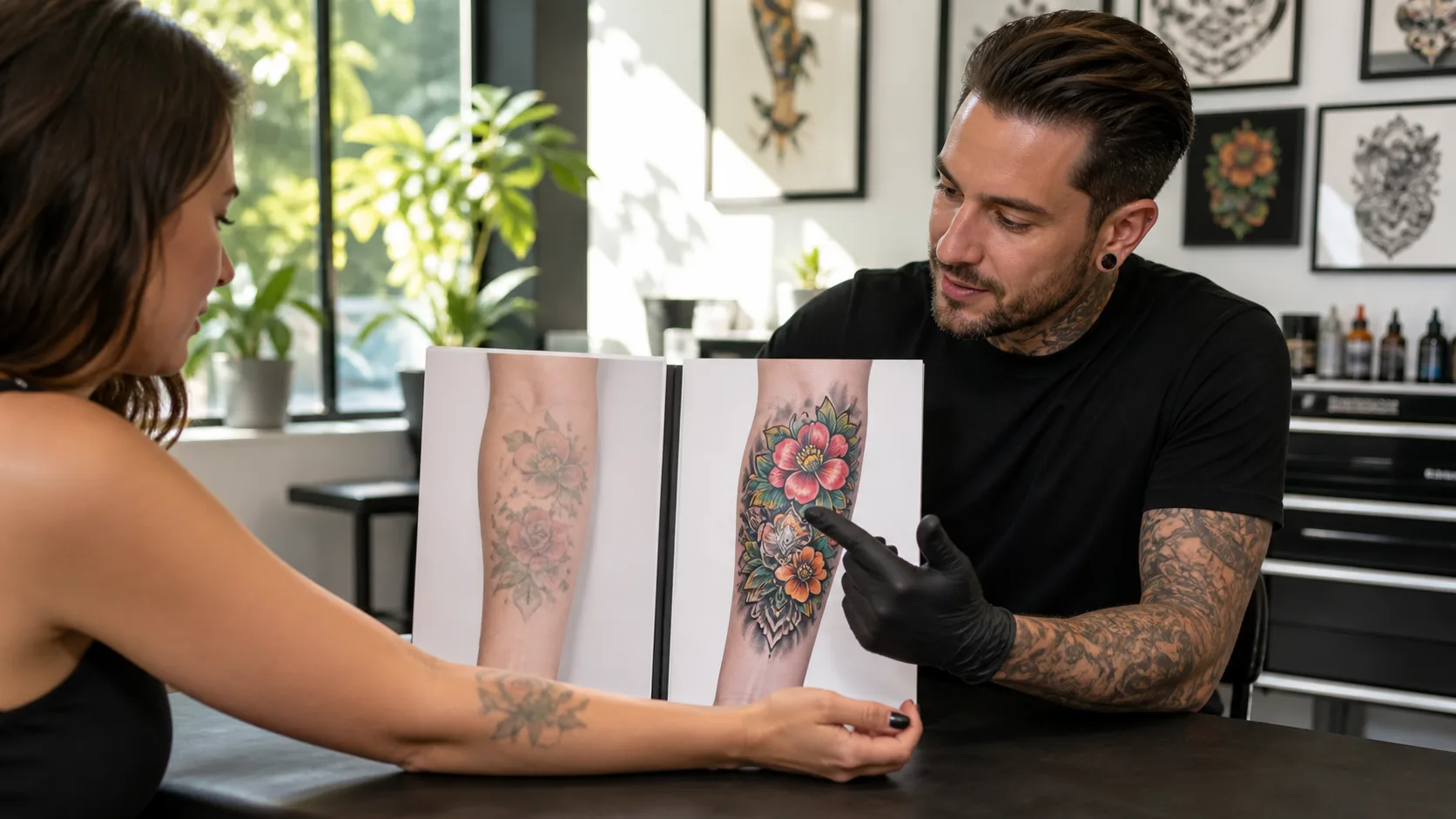
Uneven coloring isn’t always permanent. Once your tattoo is fully healed, your artist can take a look and determine what went wrong and how to make it right. It’s pretty common to go back for a second pass to touch up these areas.
Immediate Steps To Take After Noticing Uneven Color
So what should you do when you first notice uneven areas in your healing tattoo? The answer depends on what part of the healing process you’re in. Follow these steps if your ink is looking blotchy, faded in spots, or inconsistent:
1. Hold off on panicking
Early healing can look pretty messy. If you’re still in the first two or three weeks, your skin may still be forming new layers and it’s way too early to know what’s sticking and what’s not.
2. Avoid picking or scrubbing
It’s tempting to touch, pick at scabs, or try to fix things on your own, but this can make the problem worse. Let the scabs fall off naturally and stick to your recommended aftercare.
3. Keep moisturizing
Dry skin can cause even healed tattoos to look off. Use a plain, non-scented lotion to keep the area soft. Don’t overdo it. Once or twice a day is enough unless your skin is extra dry.
4. Snap a few clear photos
Natural lighting is best. This will help your artist understand what you’re seeing and plan a touch-up if needed once healing is complete.
5. Reach out to your artist
Once healing is mostly done, showing the uneven areas to your artist is the best way to figure out what’s next. They’ll let you know if a touch-up can clean it up or if it’s just part of how things settle on your skin.
Being proactive without overreacting is key. Tattoos are part art, part biology. The color might look faded now but can even out or be easily corrected with professional help.
Long-Term Solutions And Corrections
Even if your tattoo isn’t healing as smoothly as you’d hoped, there are ways to get things back on track. Touch-ups are a common and reliable way to fix uneven color. Once your skin is fully healed, usually after four to six weeks, your artist can go back in and help restore the areas that didn’t retain pigment well the first time. Sometimes it’s just a matter of hitting a light spot or reinforcing outlines that softened more than expected.
Choosing the right artist for a touch-up matters too. If it’s the same person who did your original work, they’ll already be familiar with your skin and how it responded to the first session. That adds consistency. If for some reason you’re going to someone new, make sure you bring clear before-and-after photos and give them a sense of what might’ve affected healing the first time around.
To help avoid uneven color in future tattoos:
– Prep your skin leading up to your session. Stay hydrated and keep your skin moisturized in the days before your appointment.
– Choose areas of the body based on how well they hold ink, especially if you know your skin is tricky. Flat areas with less movement often heal more evenly.
– Stick tightly to aftercare instructions. Doing too much, too soon like hitting the gym or jumping into saltwater can cause real problems for fresh ink.
– Come back for a second session if your artist recommends it. Layering can help color settle better and give the tattoo a richer, more defined look.
Think of it like hair dye. The first application may set the tone, but small tweaks afterward are what really bring it all together.
Advice From Buffalo Tattoo Shops
Tattoo artists across Buffalo tend to agree on a few things when it comes to preventing uneven color. For starters, timing your tattoo wisely can help a lot. As the cold starts to roll in around November, skin naturally dries out, which can mess with both the healing process and pigment retention. Artists here suggest using a good, fragrance-free lotion before and after your appointment to improve how well your skin accepts color.
Another tip from local professionals is to avoid wearing tight or abrasive clothing after your session. Hats, sleeves, jeans, if it rubs against your fresh tattoo, it might cause ink to lift or skin to scab more than it should. That’s especially true for tattoos placed on high-rub spots like calves, wrists, or shoulders.
Also, selection matters. Before you even get the tattoo, check out the shop’s portfolio. Look for healed pieces just as much as fresh ones. A tattoo can look great right after it’s done, but the healed version tells you how clean and consistent it really is.
Buffalo artists also recommend the following:
– Choose a shop or artist who gives detailed aftercare instructions and answers your questions.
– Ask about ink quality. Some artists clearly explain what they’re using and why it matters.
– Be realistic with your expectations. Darker skin naturally heals differently than lighter tones, and color may show up less sharply in some cases.
– Schedule your touch-up when the skin has fully healed. Trying to fix it too early might cause more harm than good.
Local ink pros here know Buffalo’s weather, lifestyles, and skin challenges. That’s an advantage when you’re figuring out how to avoid repeat issues down the line.
Keep Your Ink Looking Fresh Year-Round
Tattoos aren’t just about the day you get them. Their final look comes from the time and attention you give during healing and the quality of the work at the beginning. Uneven color isn’t always a sign something went off-track. It can just be part of your skin’s natural reaction. The more effort you put into following aftercare instructions and listening to your artist’s suggestions, the better your results will be.
Moving forward, stay consistent with your skin care. Cold weather months like late fall and winter in Buffalo can dry out skin, which may impact both how your tattoo heals and how it looks years later. Use a light, unscented moisturizer regularly and keep yourself hydrated. If the color still fails to settle right or starts looking uneven down the road, booking a check-in session is always worth it.
Getting the most out of your tattoo doesn’t stop at the door of the shop. With the right knowledge and guidance, even uneven color can be addressed and adjusted, so you’re left with something you’re proud to show off.
If you’re dealing with uneven color in your tattoo or planning your next piece, exploring expert options from Buffalo tattoo shops can help you get results that last. At Lucky Deville Tattoo Co, we focus on quality, precision, and proper healing to make sure your ink looks its best from day one and beyond. Let us help bring your vision to life with experience you can trust.