Getting a new tattoo is exciting, but it’s just the beginning. Healing plays a huge role in how that tattoo will look over time. While most people expect a general healing process that’s the same from start to finish, that’s rarely the case. Some parts of your tattoo might heal quicker while others take longer, scab more, itch harder, or fade faster. This difference can confuse people, especially if they’ve taken care to follow aftercare instructions across the board.
The truth is, different parts of your body can react in very different ways to healing ink. Everything from skin texture to friction from clothing plays a part. Even your overall health and hydration levels matter. Understanding what’s going on can help prepare you to recognize what’s normal, what’s not, and what to do if something seems off. Knowing what to expect lowers stress and helps prevent accidental damage to your new artwork.
Factors Affecting Tattoo Healing
Sometimes two people get the same design, same size, and same color schemes, but experience totally different healing results. The reason? Healing isn’t just about the tattoo itself. It’s often more about your skin and your body.
Let’s break down a few things that can influence tattoo healing:
– Skin Type: Oily skin may stay more moisturized but could cause ink to spread slightly more during healing. Dry skin might crack or itch more, making healing harder. People with sensitive skin might see more redness or swelling for longer periods.
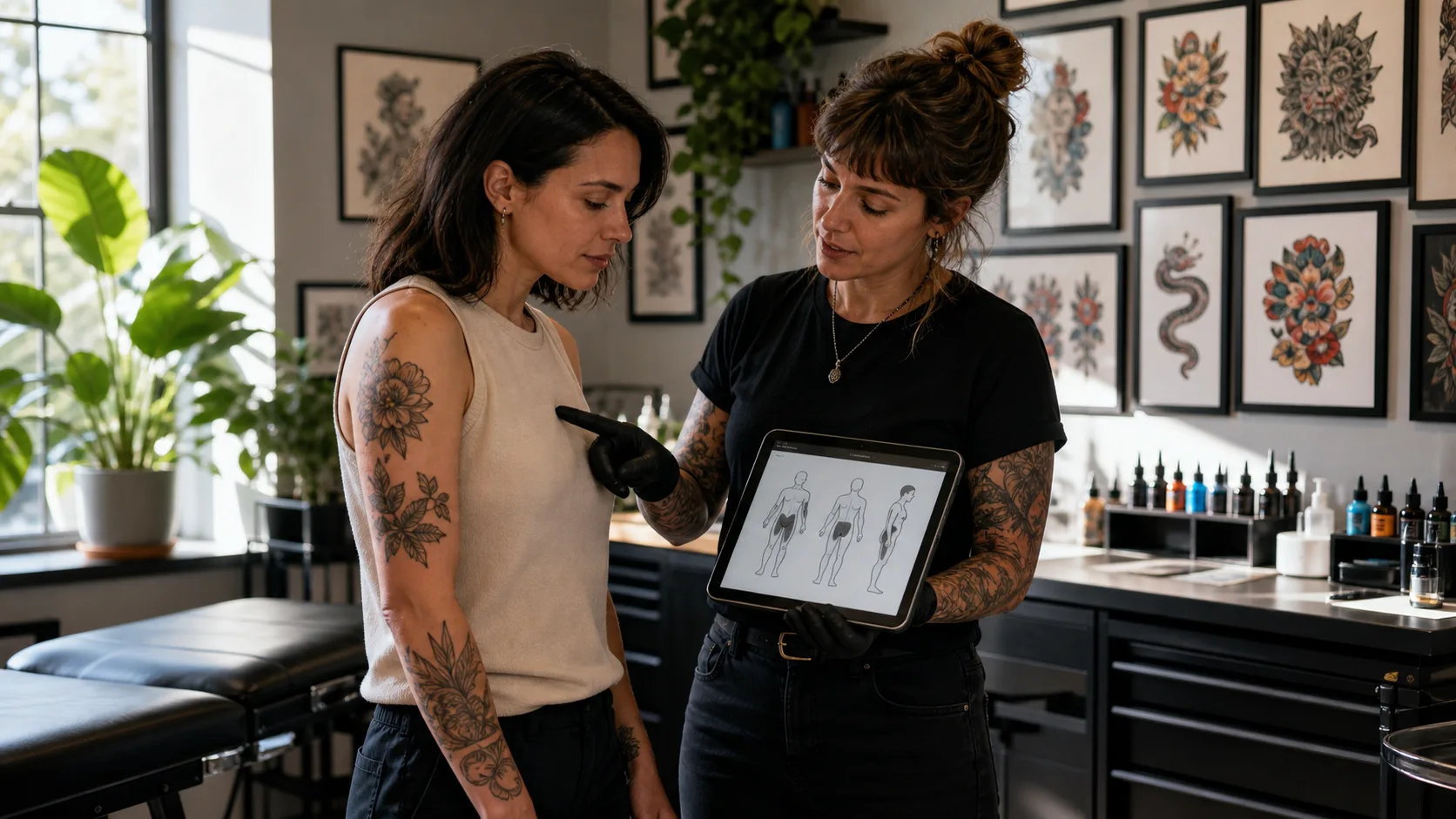
– Location of the Tattoo: Areas like the ribs or spine, where the skin is thin and close to the bone, can take longer to heal and hurt more during the process. Areas with a lot of movement, like elbows or knees, may scab more and heal at a slower pace because the skin is constantly shifting or stretching. Tattoos on areas that are touched frequently, like the hands, can take more of a beating throughout daily routines.
– Friction and Stretching: Areas that rub against clothing, shoes, or watchbands can experience irritation that slows down healing. Even sleeping positions might affect this. A tattoo on your shoulder or hip might get rubbed raw from tight clothes or bedsheets.
– General Health and Lifestyle: Your body’s overall state affects how well you heal. When you’re hydrated, eating decent meals, and maintaining steady physical health, your immune system gets a better shot at doing its job. On the other hand, if your body’s constantly stressed or lacking rest, it can show in how your skin recovers.
Here’s one simple example. Someone gets tattooed on the upper arm and foot during the same session. The arm tattoo looks smooth and nearly healed after two weeks. The foot tattoo, though, still feels sore and continues scabbing. Why? The foot takes more abuse during walking, plus it’s often inside socks or shoes, both of which add moisture and friction. Meanwhile, the arm gets less disruption throughout the day.
The better you understand where your tattoo is and how the surrounding skin acts on a day-to-day basis, the more realistic your expectations will be. That makes it easier to adjust your care routine where needed and avoid stress over bumps in the healing process.
Common Tattoo Healing Issues
Even when you follow every step of the aftercare process, things don’t always go perfectly. Some parts of your tattoo might act up more than others, especially depending on where it’s located or how your skin responds. Here are a few common healing problems people run into, along with a quick look at why they happen more in certain areas.
– Scabbing or thick flakes can be more noticeable on elbows, knees, and ankles. These parts move and bend a lot, which can make the skin stretch and crack.
– Ink fading early on is pretty common on hands and feet. These spots are washed often, rubbed against socks or gloves, and hit with friction through daily wear and tear.
– Redness and swelling might hang around longer on the chest, ribs, or stomach. These large, softer areas of skin can trap heat and moisture more easily than drier, exposed places like forearms.
– Patches that seem uneven as they heal may appear on areas with uneven texture, like joints or the back of the neck. That’s where the skin isn’t as flat, which makes it harder for ink to settle evenly.
To manage these issues, don’t rush the healing process. Avoid scratching flaky skin, and let scabs fall off naturally. Rubbing or peeling can pull ink out and leave empty patches. If clothes rub against your tattoo, go for looser options or wrap the area with breathable material. And don’t forget. Some slight fading or light peeling is normal. If something feels really off, trust your instincts and reach out to a professional.
Aftercare Tips Based on Tattoo Placement
Not all aftercare routines are created equal. Where you get tattooed matters a lot, and handling high-friction or sensitive areas the wrong way can mess with the outcome. Here are a few placement-specific tips to help you keep your healing smooth and even:
1. Wrists and Hands
These spots are exposed and constantly in motion. Be careful with handwashing and try to avoid applying lotion right before touching other things. Keep the area covered if you’re handling cleaning supplies or dirt.
2. Feet and Ankles
Don’t wear tight socks or boots for long stretches, especially in the first few days. Open-toed shoes or flip-flops are fine if the weather allows it and you don’t walk on rough surfaces. Give this area breathing time without pressure.
3. Back or Shoulders
You might forget how much movement your back goes through until you’re trying to sleep or wear a backpack. Sleep on your stomach if needed, and avoid anything with straps that rub directly on the tattoo.
4. Ribs or Stomach
These can feel extra tender and can take a beating from waistbands or tight tops. Stick with soft, loose clothes and try not to twist or stretch your body too hard while healing.
5. Neck or Behind Ears
These small spots are often overlooked but can be magnets for irritation from hair products, headphones, or even pillows. Wipe gently when cleaning and let the area air-dry instead of rubbing with a towel.
No matter where your tattoo sits, always listen to your body and don’t try shortcuts. If it stings or feels strained, ease up. Pay attention to how your skin acts over the course of each day.
Why Talking With Your Artist Matters
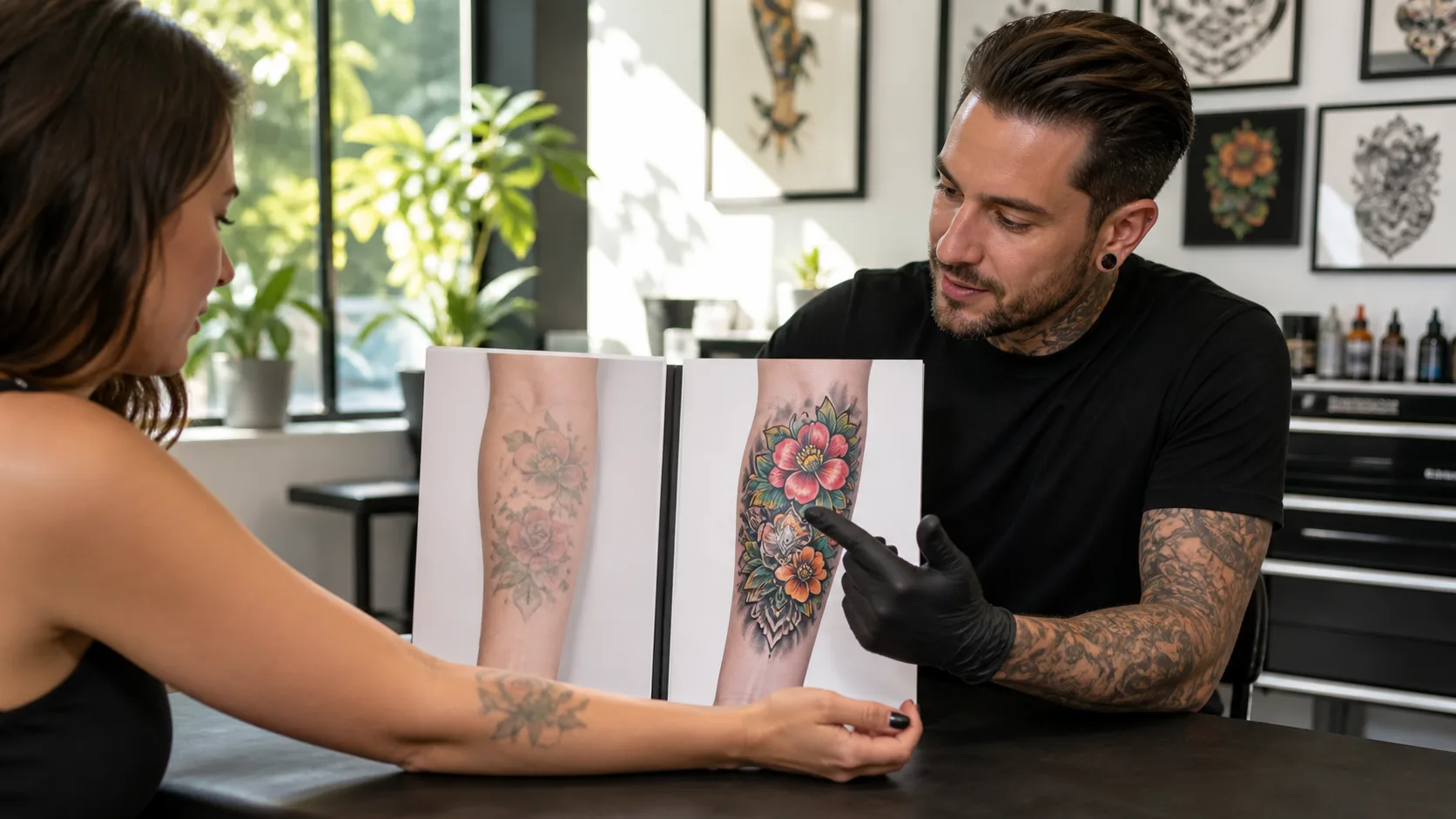
When you’ve got a question about your tattoo, the best person to ask is the one who applied it. Tattoo artists aren’t just there to design your piece. They’ve seen how different skins, body types, and placements react over time. They can give you practical advice that’s based on experience, not guesswork.
Let’s say you’re in Buffalo and winter’s kicking in. You’ve just gotten a new tattoo on your calf and now you’re layering up with socks and boots. A local artist will understand the weather and clothing challenges around that time of year. They’ll give you pointers that take those things into account, like switching to looser socks or moisturizing more often to handle dry air from indoor heat.
A good artist won’t just send you off with a one-size-fits-all aftercare sheet and call it a day. They’ll ask about your daily habits, how active you are, if you sweat a lot at work, and what kind of skin issues you’ve had in the past. All of that helps them tailor their advice, especially in a place like Buffalo where seasons shift fast and can mess with healing.
Keeping communication open helps stop small problems from turning into major ones. If you’re uncertain or just want to double-check that your tattoo is healing the way it should, don’t overthink it. Check in with your artist.
Your Tattoo Deserves Long-Term Care
Healing might feel like a short-term process, but it actually has a lasting effect on how your tattoo looks years from now. When a tattoo heals correctly, lines stay sharper and colors hold their brightness longer. Miss a few steps, and that clarity can fade faster than you’d expect.
After healing, keep following good habits. Keep your skin moisturized with non-scented lotion, especially during the cold months in Buffalo. If your tattoo is in a place that gets a lot of sun, consider using light layers of clothing or tattoo-safe sunscreen when you’re outside. These small actions help protect the design and your skin.
Healing is personal. It depends on your body, your skin, the location of the tattoo, and how you take care of it. A smooth healing experience isn’t about luck, it’s about paying attention from the first hour all the way through the following weeks. Setting up the right support from the start can save a lot of frustration down the road.
If you want your tattoo to heal beautifully and stay vibrant for years, it’s worth turning to trusted experts who understand how skin and placement affect the healing process. For helpful advice tailored to your specific design and location, explore tattoo shops in Buffalo with experienced artists like those at Lucky Deville Tattoo Co who care about every detail of your journey from start to finish.