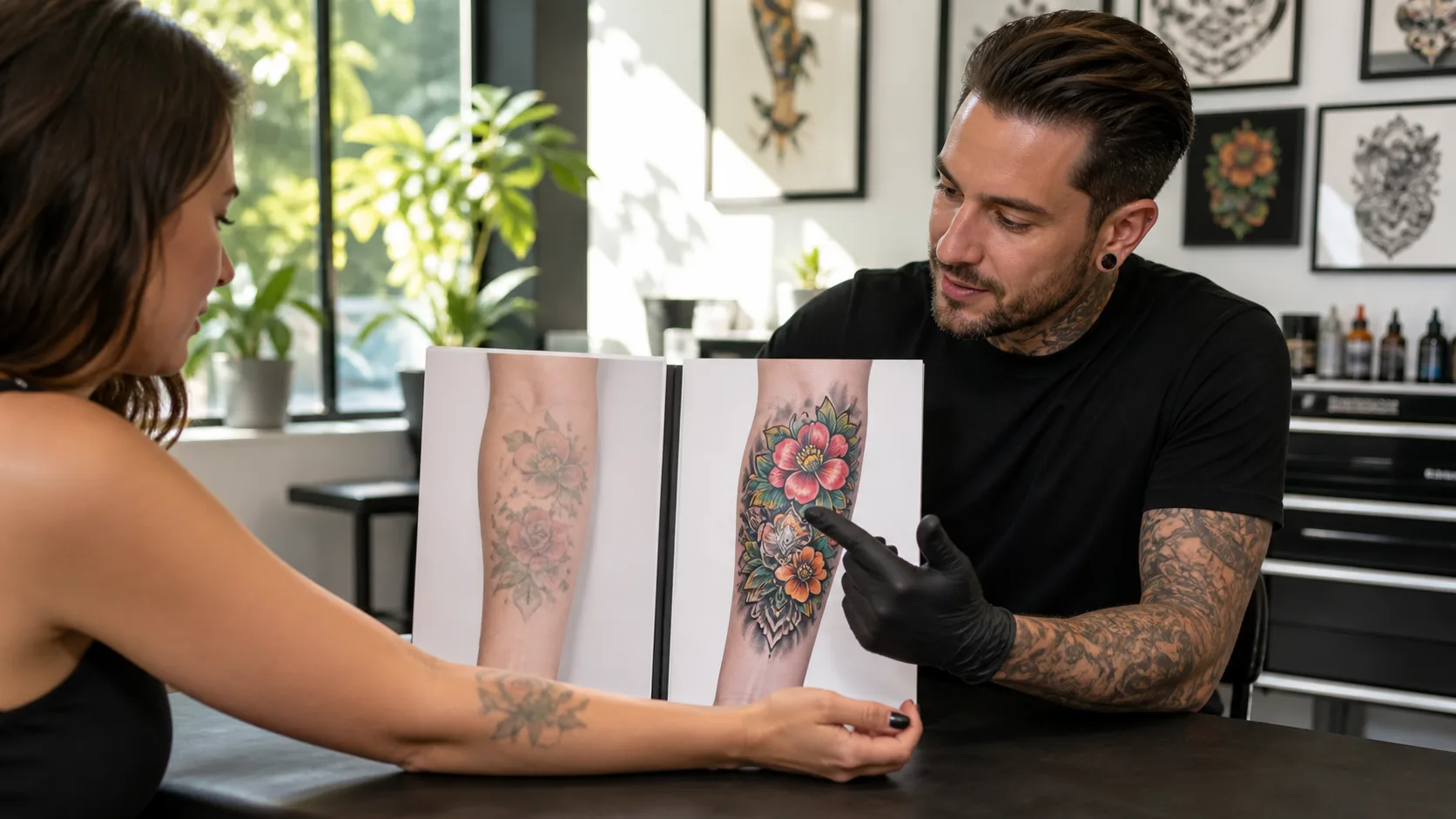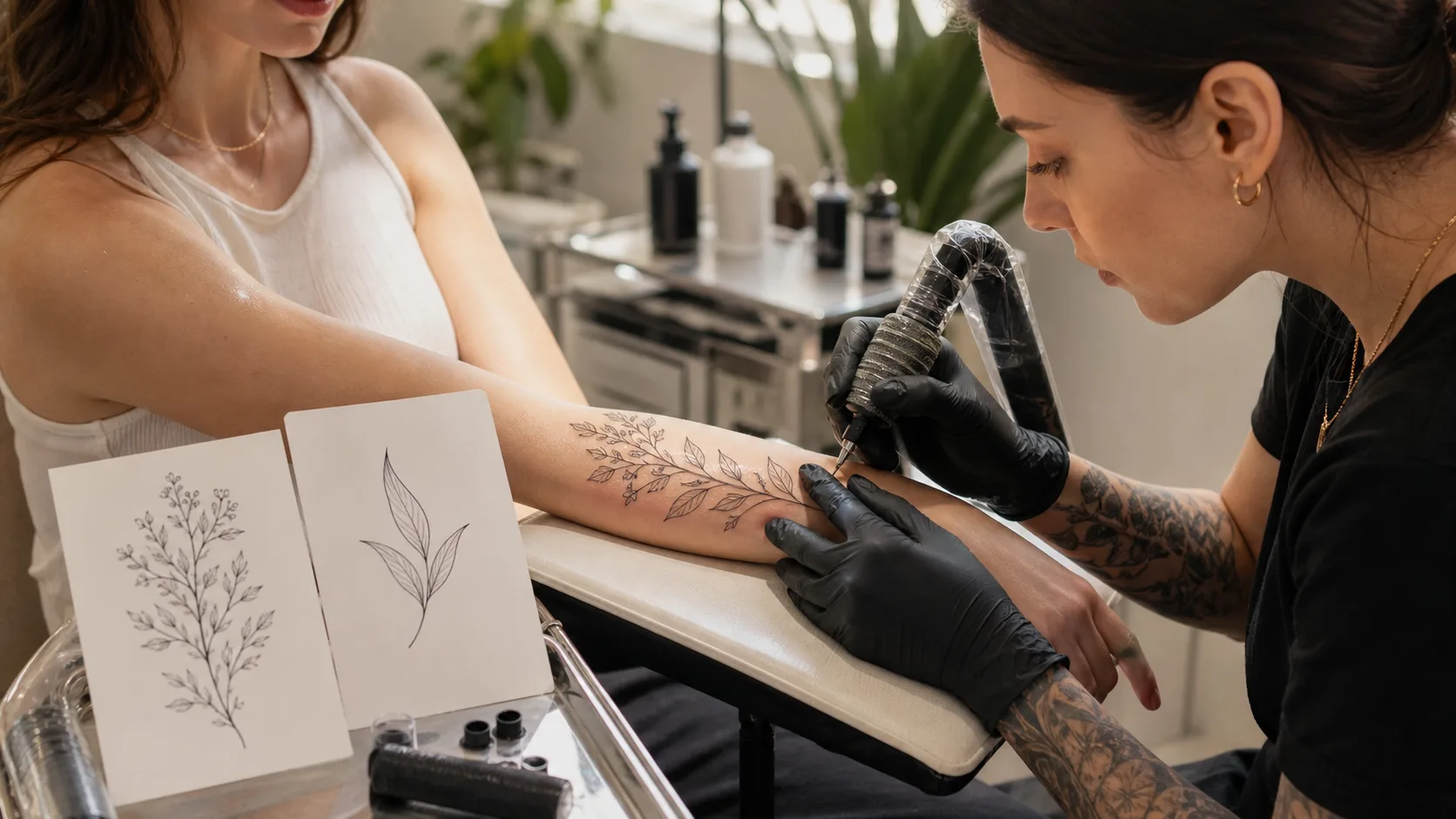
Getting a tattoo is a big decision, and part of that choice includes where on your body to place it. Some spots look great but might give you a harder time with healing. Others might feel like a good idea until you notice more aftercare issues, unexpected fading, or even pain long after the needle’s gone. Every patch of skin has its own quirks, and certain areas are trickier than others when it comes to healing well.
Knowing where tattoos tend to cause problems can save you from headaches down the road. Some body parts experience more movement, friction, or sweat, all of which can mess with how your tattoo sets in. Add in Buffalo’s chillier October weather, and you’re dealing with dry skin and extra layers of clothing rubbing against fresh ink. Being aware of how placement affects healing helps you get a tattoo that stays crisp and clean long-term.
Common Tattoo Complications
No one wants to think about something going wrong with their tattoo, but it’s helpful to know what might happen. While most tattoos heal up nicely with proper care, there’s always a chance of a few complications along the way. Being aware of what to look out for can help you act quickly if healing doesn’t go as expected.
Here are a few of the most common issues people run into after getting a tattoo:
– Infection: Bacteria can sneak in during or after the session, especially if the area isn’t kept clean or gets too much exposure before it seals up
– Allergic Reactions: Some folks’ skin just doesn’t get along well with certain types of ink, leading to rashes, swelling, or itchiness
– Scarring: This can happen if the skin gets overworked during the tattoo or if healing is disturbed by scratching or picking at scabs
– Fading or Blurring: Certain spots just don’t hold ink as well, and over time the design may look softer or less defined than it did fresh off the table
The location of the tattoo plays a big role in how likely some of these issues are. Areas that bend often, get rubbed by clothing, or are always exposed to elements like shoes or sunlight tend to have more trouble healing evenly. That’s why placement isn’t just about how the tattoo will look, but how well your body can handle it.
Most Prone Areas For Tattoo Complications
It’s true that every tattoo carries some risk of healing troubles, but certain body parts seem to make things harder more often. Thin skin, tricky movements, and constant contact with clothes or surfaces can all add to the problem. If you’re deciding where to get inked, it helps to know which body parts usually give people more to deal with.
Here are a few spots that tend to cause the most complications:
1. Elbows and Knees
These areas are always moving and bending, which can cause uneven healing. They’re also tough skinned and tend to crack as they dry out, making color fill and clean lines hard to maintain.
2. Hands and Feet
These areas get more wear and tear than almost anywhere else. From hand washing to wearing shoes, your skin here is in contact with stuff all day. That raises the risk of infection and fading.
3. Ribcage
Breathing makes the skin stretch constantly here, making it tough for the tattoo to stay settled while healing. It’s also one of the more painful areas, so folks might squirm mid-session, which can affect results.
4. Neck and Throat
With thinner skin and lots of nerve endings, the neck is extra sensitive. The visibility means you’ll notice every little bump or scab, not to mention the healing discomfort as you turn your head each day.
5. Inner Arm and Thigh
These spots see a lot of rubbing—the kind that comes from your other arm or leg brushing against them. Add sweat into the mix, especially if you work out regularly, and you’ve got a recipe for irritation or infection.
Each of these areas might not be completely off-limits, but they do call for more care and attention. If you’re already prone to scarring or have sensitive skin, you might want to go with a different location to lessen the chance of problems happening. Picking the right spot makes healing much more manageable.
Choosing Painless Tattoo Spots
When people think about getting a tattoo, pain is usually one of the first concerns. While pain tolerance varies from person to person, placement makes a big difference. Certain areas of the body have more fat and muscle, which can help cushion the feeling. Others, with more bone or nerve endings, tend to hurt more and might extend healing time due to how sensitive they are.
If you’re looking to keep the pain level low, consider these spots:
– Outer Upper Arm: This part of the body has more muscle and thicker skin, which tends to handle the needle better. The outer bicep is also less exposed, which helps protect the tattoo while it heals
– Thigh (Outer Side): The outer thigh is another good option because it has plenty of soft tissue. This placement allows for larger designs and experiences less friction compared to the inner thigh
– Upper Back: Between the shoulder blades is a preferred area for people who want a larger piece without a lot of pain. It’s also easy to cover with clothing, which helps limit sun exposure during healing
– Calves: Similar to the upper arm, your calves have muscle and padding that help absorb the feeling of the tattoo needle. These spots also avoid the movement issues that come with joints like knees or ankles
Buffalo weather in October brings cooler air and layers of clothing. That’s something to think about because tattoos that stay covered and warm tend to heal faster, especially in parts of the body less disturbed by routine movement. Picking a spot that stays protected and doesn’t rub against heavy fabrics will give your skin a better chance to heal well.
Healing Tips for Better Results
Aftercare plays a big part in how your tattoo turns out. Even a tattoo done by the best artist can fade, scar, or lose sharp lines if it doesn’t heal right. Good healing starts with solid hygiene, but it also includes being smart about your surroundings, your clothes, and how much you move the area.
Here are a few simple tips to support healing:
– Keep it clean but don’t over-wash: Gently wash your tattoo with unscented soap and warm water once or twice a day. Pat it dry with a paper towel
– Avoid tight clothing: Anything that sticks to or rubs against your tattoo can cause irritation or trap bacteria
– Stay out of the sun: Sunlight can damage healing skin and cause early fading. Wear loose layers or keep your tattoo covered if you’re going out
– Skip workouts that strain the area: If your tattoo is near a joint or large muscle, rest that part of your body when possible. Too much movement can cause cracking or slower healing
– Don’t pick, scratch, or peel: As tempting as it might be, resist the urge to mess with scabs or flaky skin. Let it shed naturally so you don’t end up with scars or patchy color
Even during Buffalo’s fall, skin dries out fast. Heaters start running indoors, and that can pull moisture from the air. A thin layer of unscented moisturizer can help during this period of dry skin. Healing might take a couple of weeks, but the result will be worth the patience.
Picking the Right Spot for Your Tattoo in Buffalo
October days in Buffalo mean cooler temps, less sunshine, and more time spent in thicker clothing. That makes fall a decent season for healing a tattoo, as long as you think ahead. Certain body spots stay warm and dry under clothes, while others are more exposed and prone to rubbing from jackets, jeans, or boots.
If you’re planning to get ink toward the end of the year, it’s smart to pick tattoo placements that won’t be affected by the cold or bulky layers. For example, a chest or thigh tattoo might heal better than one on your ankle or foot, which gets more contact from socks and shoes. Think about your job, your hobbies, and your wardrobe before making the call.
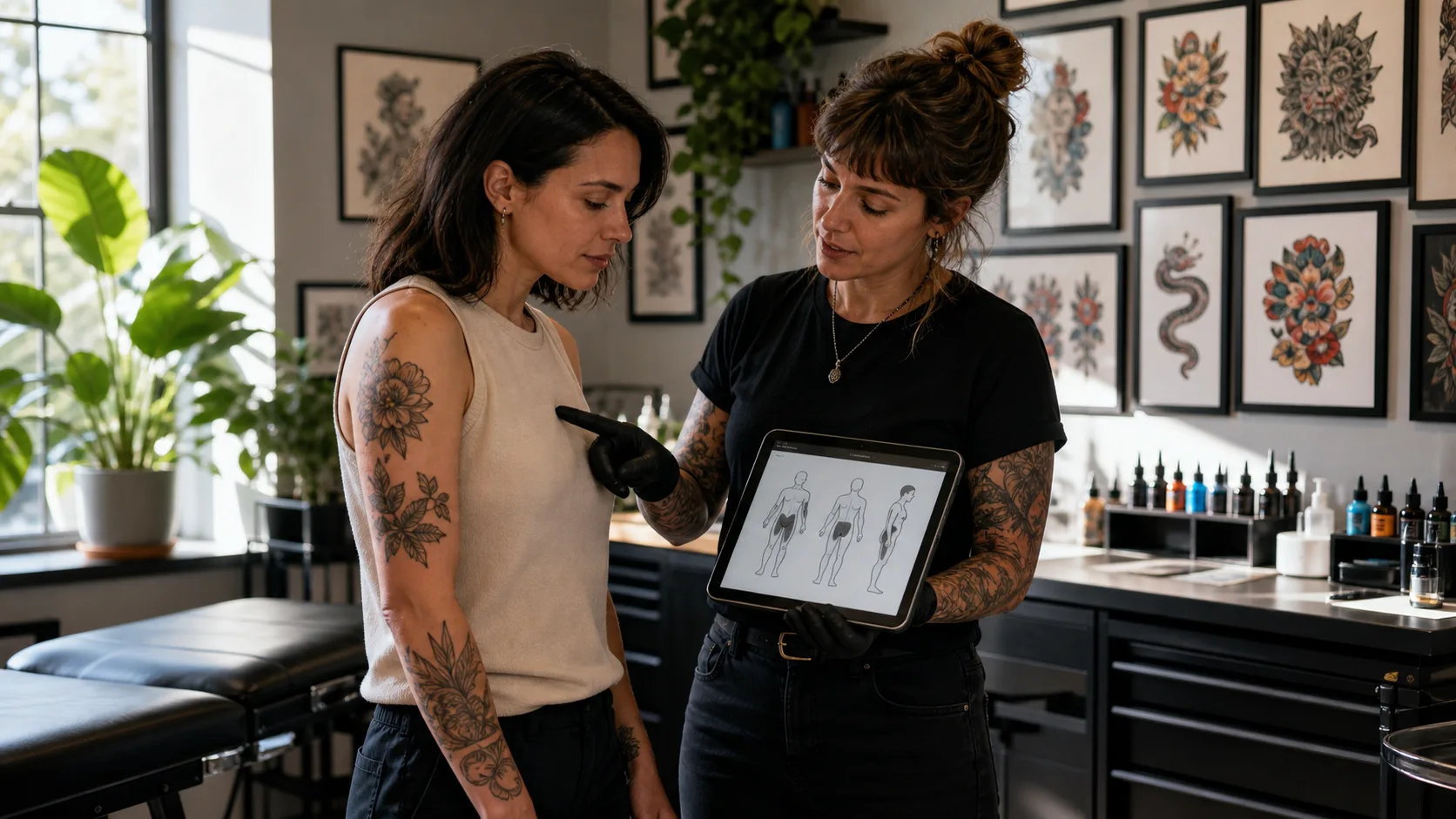
Talking to a local artist helps here. They’ve seen how tattoos react to Buffalo’s seasonal changes and can offer great advice on where and when to get certain designs. They’ll ask the right questions and look at your skin type, your lifestyle, and the way the area might respond to cold, dry air or irritation from clothing.
Picking a Placement You’ll Be Happy With
A tattoo is more than just the session that puts it there. It’s something that sticks with you for years, so where you put it matters. Some spots not only hurt more but also age faster, fade quicker, or heal less evenly. Picking a lower-risk area can mean better color hold, smoother lines, and fewer touch-ups later.
Smooth healing and long-term quality depend on how well that area of your body handles stress, moisture, sunlight, and movement. That’s why choosing the right spot matters just as much as choosing the right artist. For many people, going with something low-pain and easy to protect, like the outer arm or thigh, is a safer bet than more sensitive, high-rub zones.
It’s worth being patient with your decision. A little planning now can save you from dealing with avoidable complications or disappointing results. Working with someone who understands both skin and seasons helps you pick a tattoo placement that heals clean, holds its sharpness, and stays looking good far into the future.
If you’re thinking of getting a tattoo in Buffalo and want to ease the process, consider exploring painless tattoo spots that are known for less discomfort and smoother healing. At Lucky Deville Tattoo Co, our experienced artists can help you choose the right design and placement for a comfortable experience from start to finish. Let us guide you toward a tattoo you’ll feel good about for years to come.