Tattoo scarring can catch people off guard. You go in hoping for smooth, vibrant skin art, but end up with raised or uneven lines that don’t match the design you had in mind. While some minor texture changes are normal as tattoos heal, deeper scarring often signals that something went wrong. It’s frustrating when your skin doesn’t bounce back the way you expected. For those getting a piece in a visible area, scarring can be even more disappointing.
Preventing tattoo scarring starts before the needle ever touches your skin and continues long after the session ends. From technique and artist experience to personal aftercare and skin prep, each step plays a role in keeping your tattoo smooth and detailed. Learning what causes scarring and how to avoid it makes a huge difference.
Understanding Tattoo Scarring
Tattoo scarring happens when trauma from the tattooing process damages the deeper layers of the skin. Your body responds by repairing the injury, but sometimes it doesn’t heal the way you’d want. The result is raised or shiny areas that feel different from your normal skin texture. These scars can change the look of the tattoo and even affect its color over time.
Here are a few common causes of tattoo scarring:
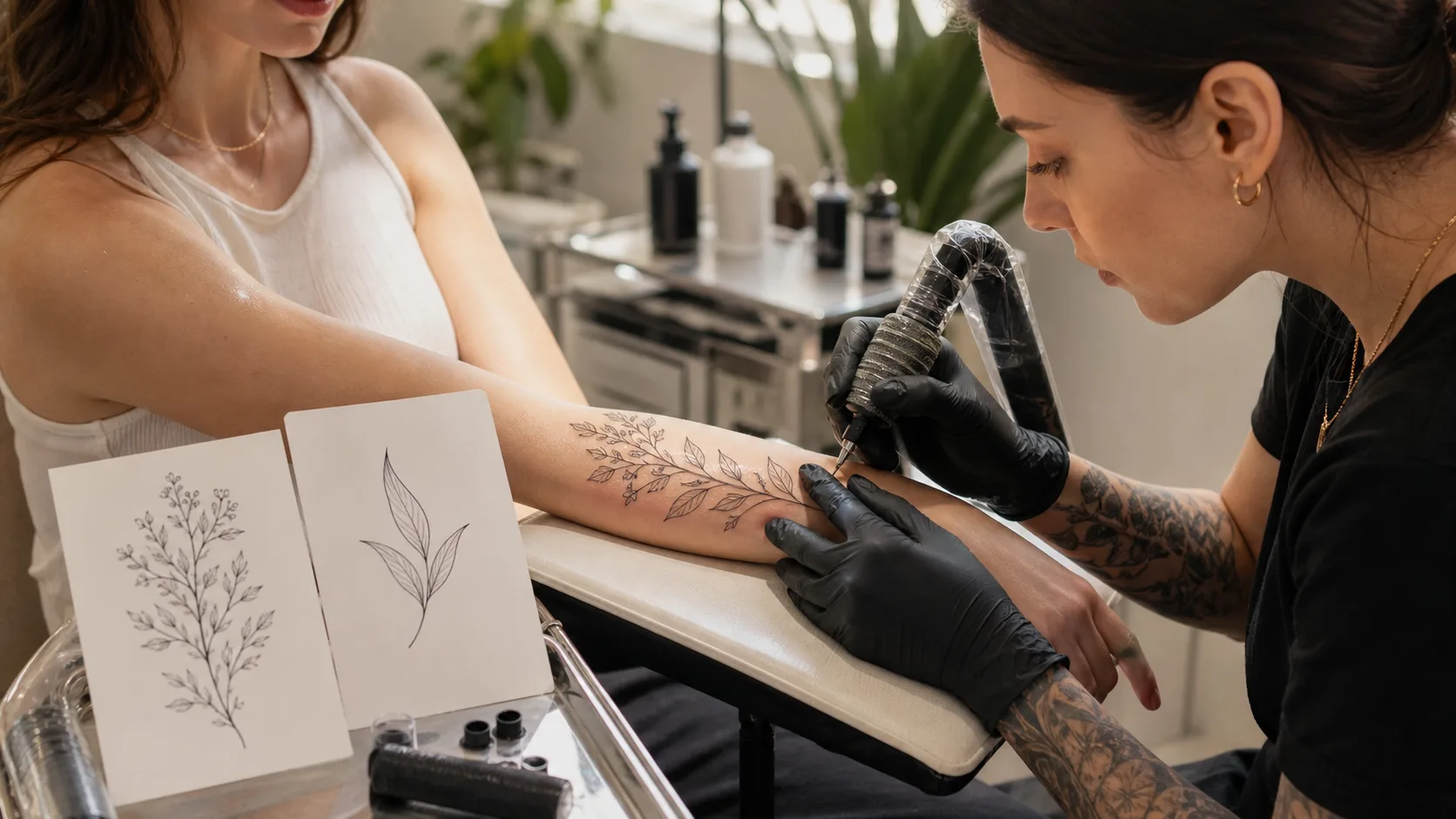
– Poor technique. If an artist presses too hard or goes too deep, the needle can injure the skin more than necessary. Repeatedly running over the same area can also cause excess damage.
– Skin sensitivity. Some people naturally heal with more texture or raised tissue due to genetics or conditions like keloid-prone skin.
– Improper aftercare. Picking at scabs, applying too much ointment, or allowing too much sun exposure too soon can slow healing and lead to long-term scars.
One person’s skin might heal clean with barely a scab, while someone else can follow all the same steps and still end up with noticeable scarring. This is why open communication with your artist about your skin type and healing history is key before you even start.
Proper Tattoo Preparation
What you do leading up to your tattoo appointment matters just as much as what you do afterward. Preparing your skin in the right way helps reduce the chance of scarring and supports a smoother healing process. In Buffalo, changing weather, especially in the fall, can dry out skin quickly and affect your results.
Try these steps to prep your skin before your tattoo session:
1. Hydrate. Drink water regularly for at least a few days beforehand. Hydrated skin is smoother, more elastic, and less likely to crack or flake.
2. Moisturize. Use a fragrance-free lotion daily for about a week leading up to your appointment. Steer clear of heavy creams right before your session.
3. Avoid skin damage. Don’t book a tattoo right after getting sunburned or injuring your skin. Damaged skin does not hold ink well and heals poorly.
4. Communicate with your artist. Good tattoo places in Buffalo will want to know about your skin concerns. If you’ve scarred before or have sensitive skin, say something early so they can adjust their work if needed.
Getting good rest the night before your session also helps. When you’re rested, you sit more calmly and your skin responds better to the process. A calm session often results in a cleaner tattoo with less trauma to the skin.
Effective Aftercare Tips
Even when your tattoo looks flawless as you leave the studio, the way you care for it afterward will decide how it heals. Healing takes time and patience, especially if you want to avoid scars. Skipping steps or being careless, even briefly, can undo great work.
Follow these tattoo aftercare steps to help protect your new piece:
1. Listen to your artist’s instructions. They know your tattoo best. Aftercare advice may vary depending on the size, placement, and your skin type.
2. Wash gently. Use mild, fragrance-free soap and lukewarm water. Don’t rub, just lightly clean the area with your hands.
3. Pat dry. Use a clean paper towel or a soft cloth to gently blot the area. Avoid wiping.
4. Let it breathe. After the first day or as advised, keep your tattoo open to air. Avoid wrapping it too long unless told to do so.
5. Apply moisturizer lightly. Pick a non-scented lotion and use a thin layer. Too much can suffocate the skin and delay healing.
6. Stay away from soaking. Hot tubs, pools, and long baths are off-limits until your tattoo fully heals.
7. Don’t scratch. Itchiness means healing, but picking at scabs or flakes can cause scars. Let your skin shed naturally.
8. Avoid sun exposure. If you’re outside, cover your tattoo. Sunburn during healing is one of the quickest ways to damage the skin and leave lasting marks.
Taking the time to care for your tattoo daily during those first two weeks can make all the difference. Don’t rush the process. Being gentle and aware helps keep your design crisp and scar-free.
Recognizing and Treating Tattoo Scars
It’s not always easy to tell if a tattoo is healing properly or if it’s starting to scar. A healing tattoo often has some redness, scabbing, or tight skin. That’s normal for the first few weeks. But when those signs stick around longer or seem more severe, it’s time to take a closer look.
Here are some signs of tattoo scarring:
– The skin stays raised or shiny even weeks later
– The texture is bumpy or rough in certain spots
– Color is lighter or patchy in parts of the design
– You have tightness or pulling in the skin around the tattoo
– The area had serious irritation, bleeding, or infection during healing
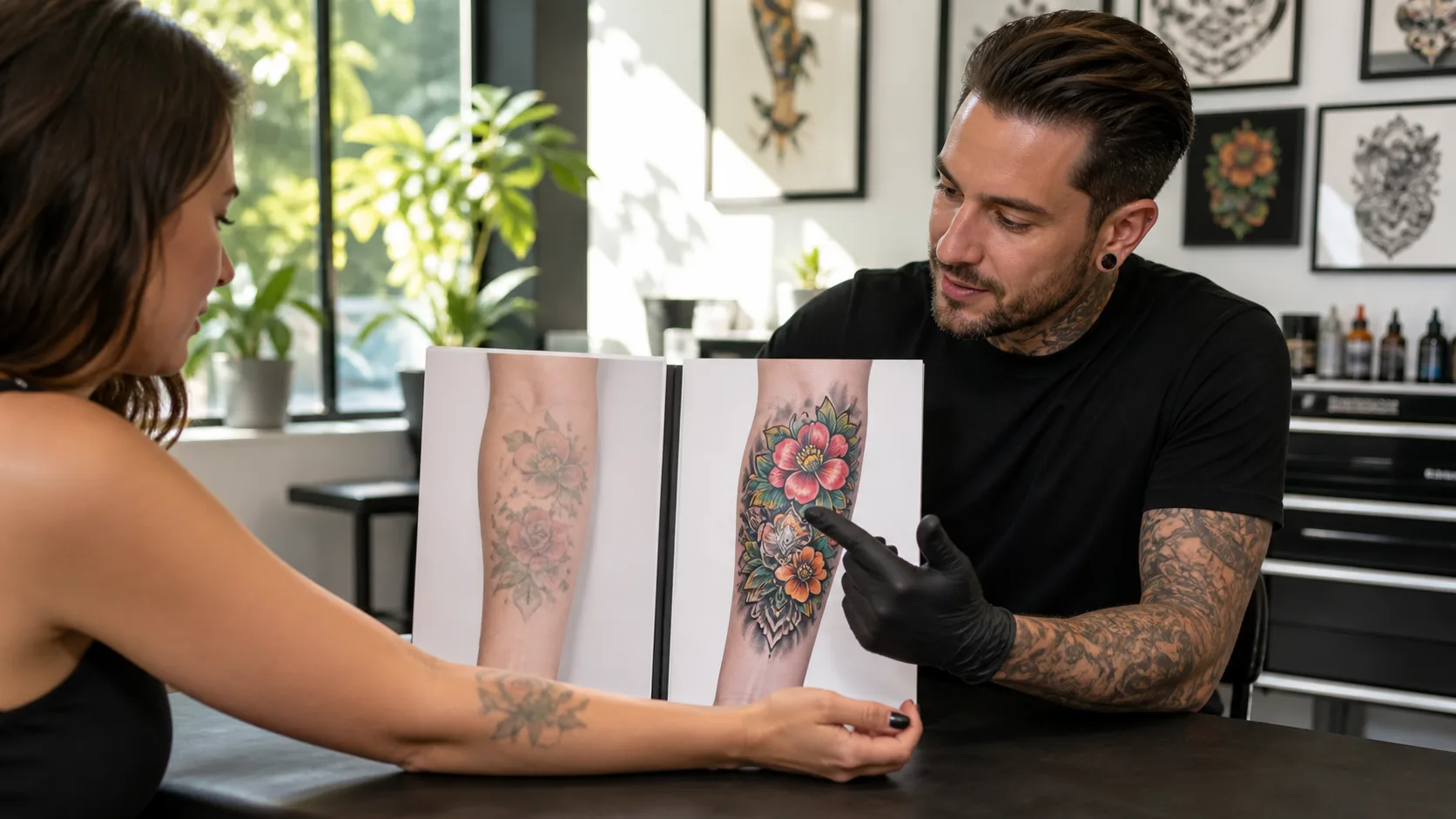
If your skin heals with only a mild scar, it may even out slowly. Some lotions may help improve the skin’s appearance, especially with repeated use. But if the scar is deep or painful, it’s best to reach out to a professional. Trying to fix it yourself may make things worse.
It’s okay to feel a little upset if your tattoo didn’t heal the way you hoped. Even with good habits, some skin just reacts differently. If that’s the case, take photos of the area and check in with your artist. A second opinion from someone who understands your skin and your design is worth it.
Tips for Tattoos That Age Gracefully
Getting a tattoo is exciting and rewarding, but keeping it looking sharp takes more than leaving the shop with fresh ink. Working with a quality artist, preparing your skin, and following aftercare instructions all help protect your investment.
Buffalo’s dry, windy weather in October can pull moisture from newly tattooed skin faster. That’s why those extra steps during fall months really matter. Keeping your skin hydrated and shielded during this time helps prevent flaking and scarring.
Outstanding tattoos result from a shared effort between artist and client. Being mindful of technique, skin condition, and healing time helps your tattoo stay bold and clean. Whether it’s your first tattoo or you’ve done this before, knowing how scarring can happen and how to prevent it goes a long way. That way, your art won’t just look great now — it’ll stay that way for years to come.
When you’re ready to get your next tattoo, consider exploring tattoo places in Buffalo to ensure you’re in skilled hands. Lucky Deville Tattoo Co offers a variety of services to help you achieve the artwork you envision. By entrusting professionals who care for your unique needs, you can enjoy beautiful, vibrant tattoos that last.