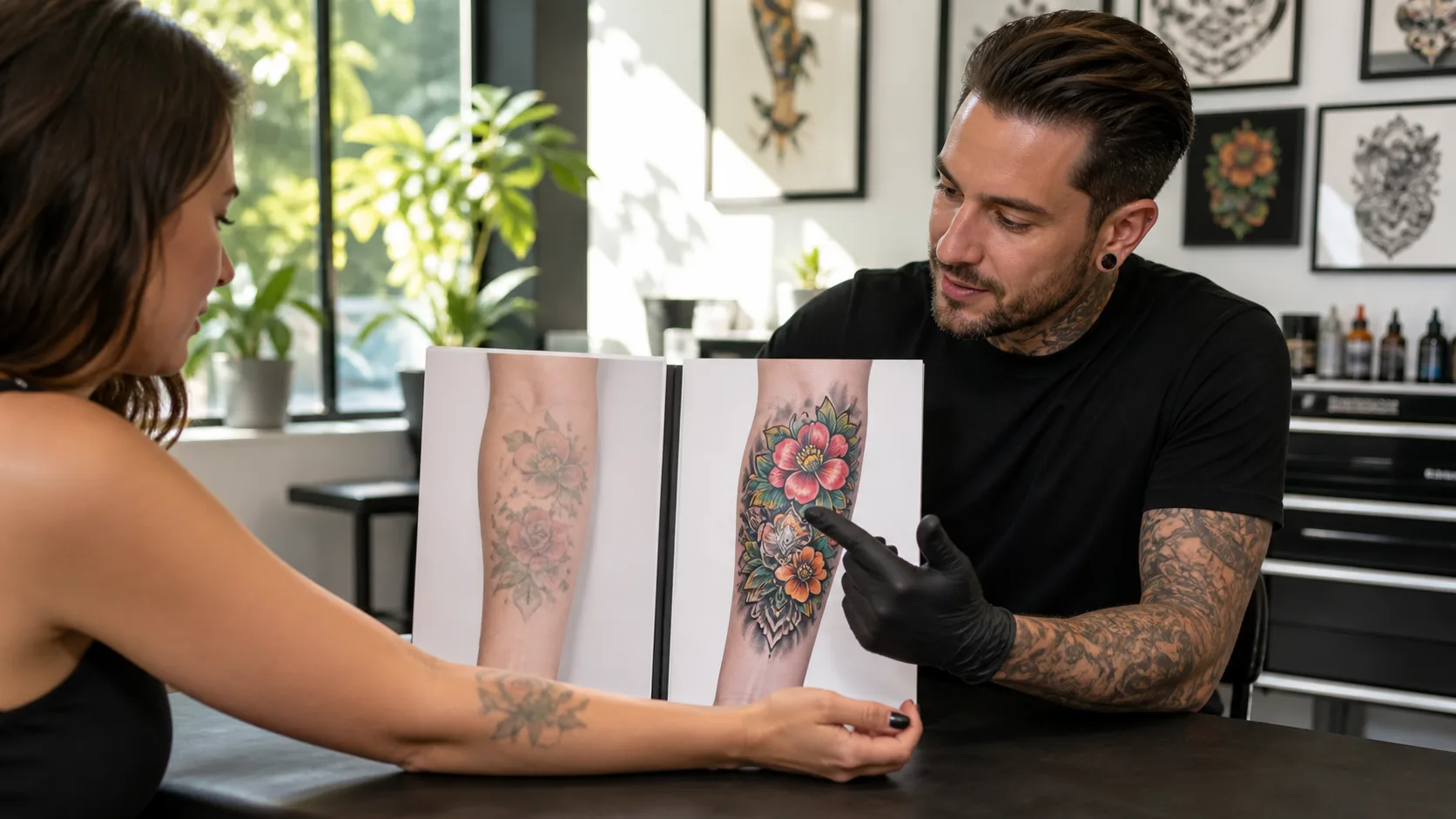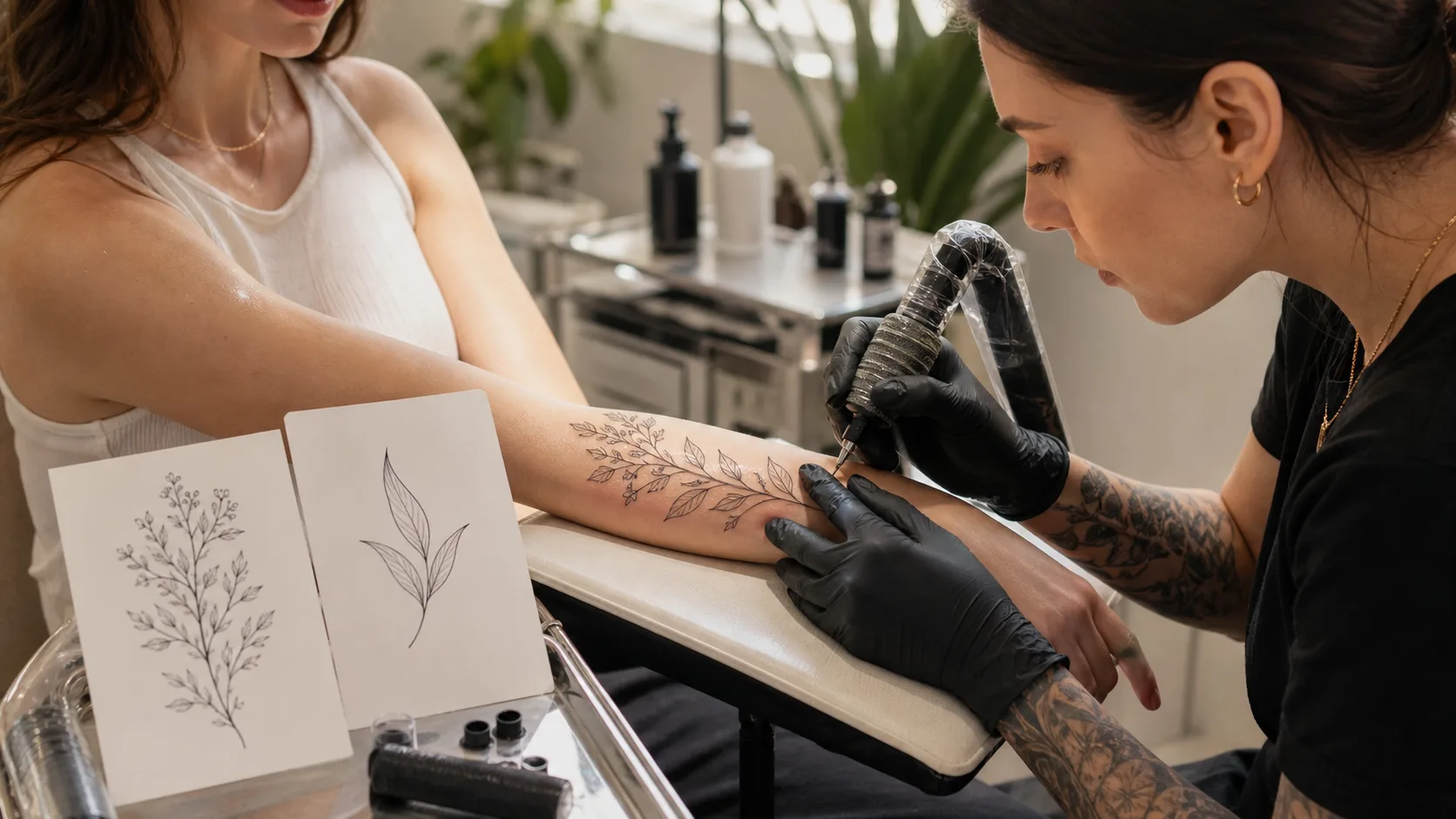
Getting a tattoo is a big decision, and it’s more than just picking out a cool design. Before the first needle touches your skin, something just as important happens: the stencil application. The stencil is the blueprint for your tattoo. If it doesn’t go on right, the result can be uneven, off-center, or just plain wrong. Many people focus on the finished product, but a great tattoo starts way before the ink is even opened.
Poor stencil work can ruin a solid design and turn an exciting experience into a regretful one. It’s not always easy to catch these issues if you’re unfamiliar with the process. That’s why learning to spot a bad stencil before the needle gets going can prevent a lot of problems. Think of it as checking the blueprint before building a house. You wouldn’t want the walls in the wrong place and you definitely don’t want your tattoo lines off balance either.
Understanding Tattoo Stencils
A tattoo stencil is like a traced outline that your artist transfers onto your skin. It shows where lines should go, much like a roadmap for the entire tattoo session. Once applied, the stencil guides the artist while they tattoo, helping them stay accurate and consistent with the design you agreed on.
There are a few types of stencils that artists might use. The simplest kind is drawn by hand using a stencil pencil, often on special transfer paper. Others use thermal copiers to transfer a printed design onto the same type of paper, which is faster and ideal for more detailed designs. Some artists even freehand the entire design directly onto the skin using skin-safe markers, though this tends to happen with simpler tattoos or artists with a lot of experience.
No matter the method, applying the stencil correctly is one of the most important steps in the tattoo process. If that’s rushed or overlooked, the artist is working without a clear guide. And that usually means more than just a bit of disappointment. It can mean crooked lines and off-kilter shapes that are tough to fix once the ink is in your skin.
Signs of Poor Quality Stencil Application
Before sitting down in the chair and giving the green light, take a close look at the stencil. A good stencil will be crisp, clean, and match the design you discussed. A bad one shows signs that the artist either rushed, didn’t prepare properly, or made an avoidable mistake. Here are a few things to look for:
– Blurred or faded lines: The stencil should be sharp and easy to see. Blurry outlines can lead to guesswork once the artist starts tattooing. If it looks smudged or unclear from the start, the final tattoo might end up just as messy.
– Misaligned or crooked placement: Check how the stencil sits on your body. If a line that’s supposed to be straight runs at an odd angle or elements that should be symmetrical look tilted, that’s a clue the stencil wasn’t applied with enough care.
– Uneven ink transfer: A quality stencil needs to transfer fully onto the skin. Patchy areas or missing sections are a red flag. These gaps can mess with the overall design and force the artist to fill in details by memory or guesswork.
– Excessive smudging: It’s normal for stencils to have some minor blurring, but large smudges mean the stencil was either applied with too much ointment, touched before drying, or wiped the wrong way. This leads to outlines that are hard to follow and increases the risk of mistakes.
If you’re unsure about the stencil, ask to look at it in the mirror. Take a moment to confirm that everything looks right. This isn’t about being picky. It’s about getting the result you want. Addressing stencil issues before the tattoo starts is easier than trying to fix something once the ink is in your skin.
The Impact of Poor Stencil Application
A poorly applied stencil can take what could have been a solid piece of body art and turn it into a frustrating process. The short-term effects are usually felt during the tattoo session itself. When a stencil isn’t clear or positioned properly, the artist might need to wipe it off and start again. That can mean more prep time, longer sitting hours, and added stress. In other cases, they may try to continue anyway, which brings guesswork into the mix when precision matters most.
Past the session, poor stencil work can lead to long-term consequences. Ink applied over a bad stencil can result in crooked, uneven lines. These problems often need touch-up work that could have been avoided. If the mistake is significant, cover-ups—or even laser removal—might be needed. Tattoos are supposed to be permanent. Fixing them later often requires more pain, more time, and more money.
It’s not just about appearance either. The emotional impact of a bad tattoo can be tough. You came in excited about a design with meaning, whether it’s a tribute, something personal, or a piece that just looked cool. Walking away with a tattoo that doesn’t meet your expectations is disappointing. Nobody wants to go through that. You shouldn’t have to fix a tattoo because of a mistake that happened during setup.
How to Make Sure Your Stencil Looks Right
While you don’t need tattoo experience to spot problems, staying alert during stencil application can help avoid trouble. Here are some ways to help make sure the stencil looks how it should:
1. Do your research
Check out an artist’s previous work. If their tattoos show clean lines, balance, and fine detail, it’s likely they pay attention to their stencils. Artists often post their work and process on X or Instagram. This can reveal how they handle stencil placement.
2. Speak up about placement
Once the stencil is on your skin, take your time before giving the go-ahead. Use a mirror if needed. If something looks even a little off-center or flipped the wrong way, say something. Placement is one of the rare parts you can double-check before the needle starts.
3. Notice the fine details
Look closely at how clear the lines are. If the image looks smudgy or has parts missing, ask the artist to redo it. The better the stencil looks, the better your tattoo will turn out.
4. Check symmetry on designs
If your design has faces, wings, eyes, or geometric shapes, they should look even. These are hard to fix once inked. If anything looks lopsided, tilt your head or ask for another angle. Trust your gut.
5. Watch how your artist works
Pay attention to how careful your artist is when applying the stencil. Are they checking measurements and alignment, or rushing through? How they prep says a lot about how they’ll handle the rest of the process.
Being present and paying attention during setup gives you a better shot at walking out with the tattoo you imagined.
Why It Pays to Slow Down at the Start
A stencil is more than a quick step before tattooing. It sets the foundation for the entire design. Taking a moment to check it properly can save you from regret later. Bad tattoos don’t always come from bad designs. They often come from stencils that weren’t given enough attention.
Whether it’s your first tattoo or part of a larger collection, having a clear idea of what a good stencil should look like gives you more control in the process. It helps you communicate with your artist and shows them you care about quality. That mutual respect can make the entire experience better.
Tattoo setups shouldn’t feel rushed. Even a few minutes of double-checking can make all the difference. When the design, placement, and stencil are just right, the rest usually follows. Taking your time upfront means you’re more likely to love the result forever.
Whether you’re looking for your first tattoo or adding to your collection, ensuring a quality stencil application is key to your satisfaction. To make your experience smooth and rewarding, explore the services offered through Deville Tattoo. Lucky Deville Tattoo Co is ready to make your tattoo vision come to life with the expertise and creativity that set us apart.