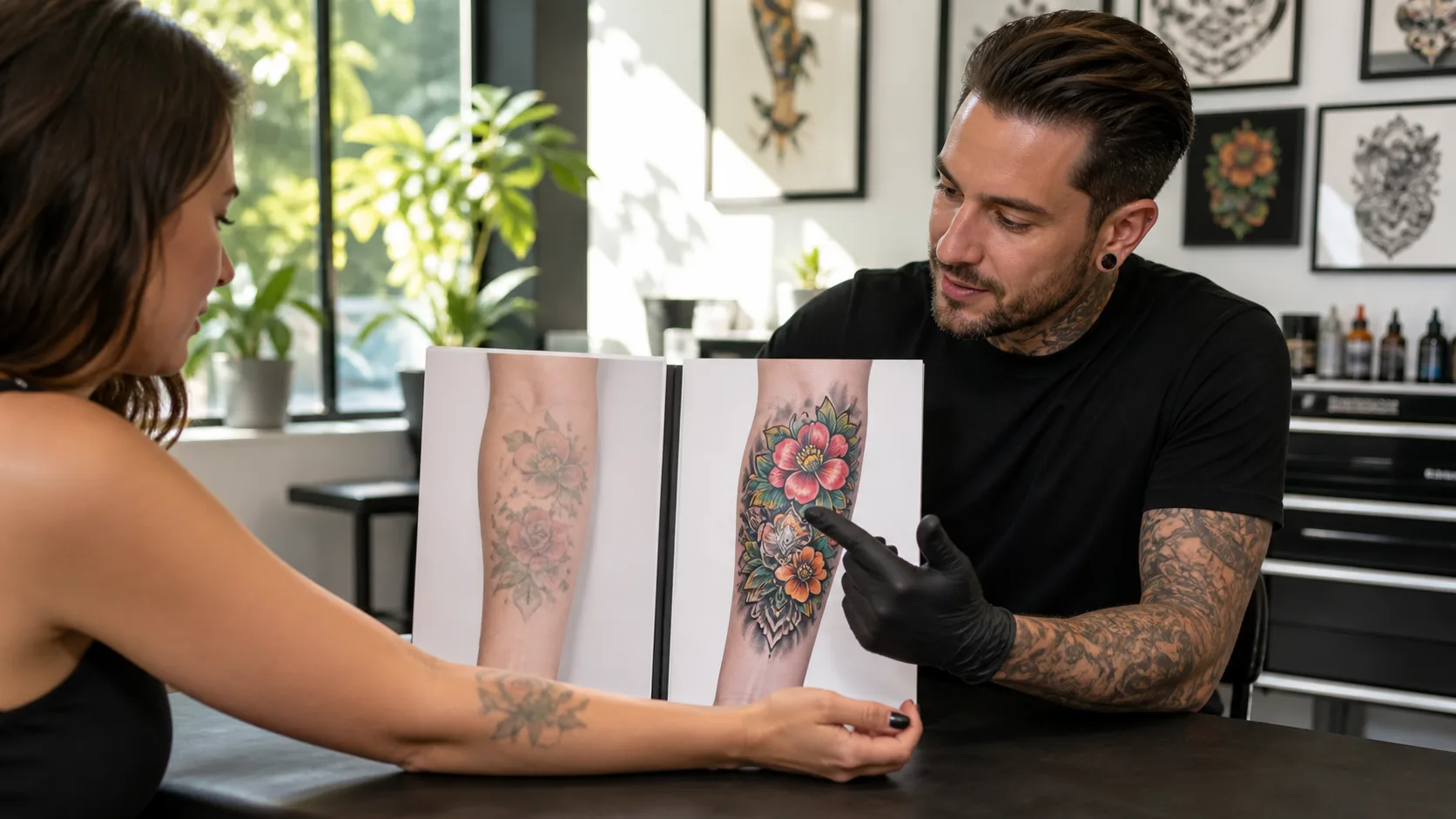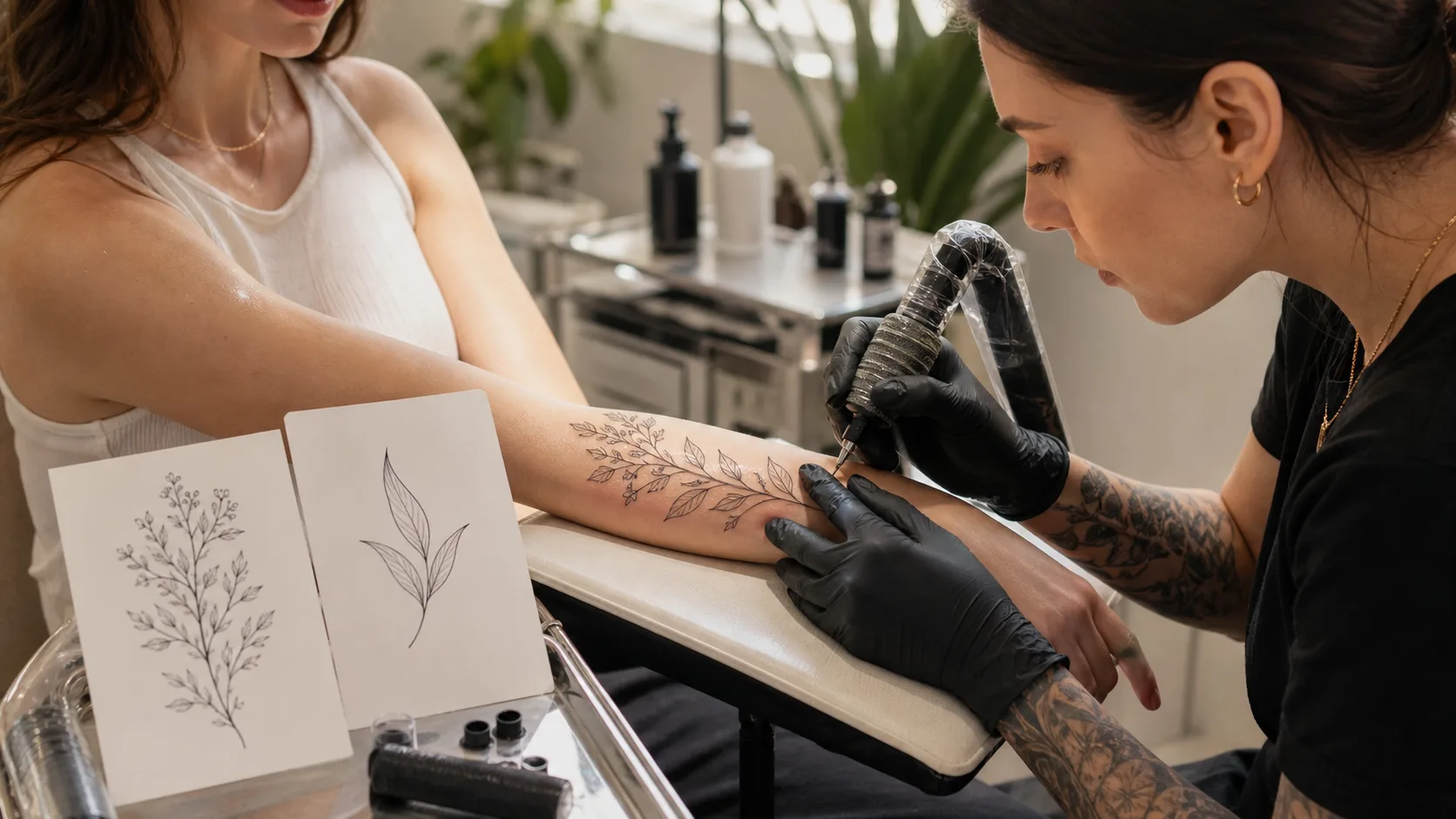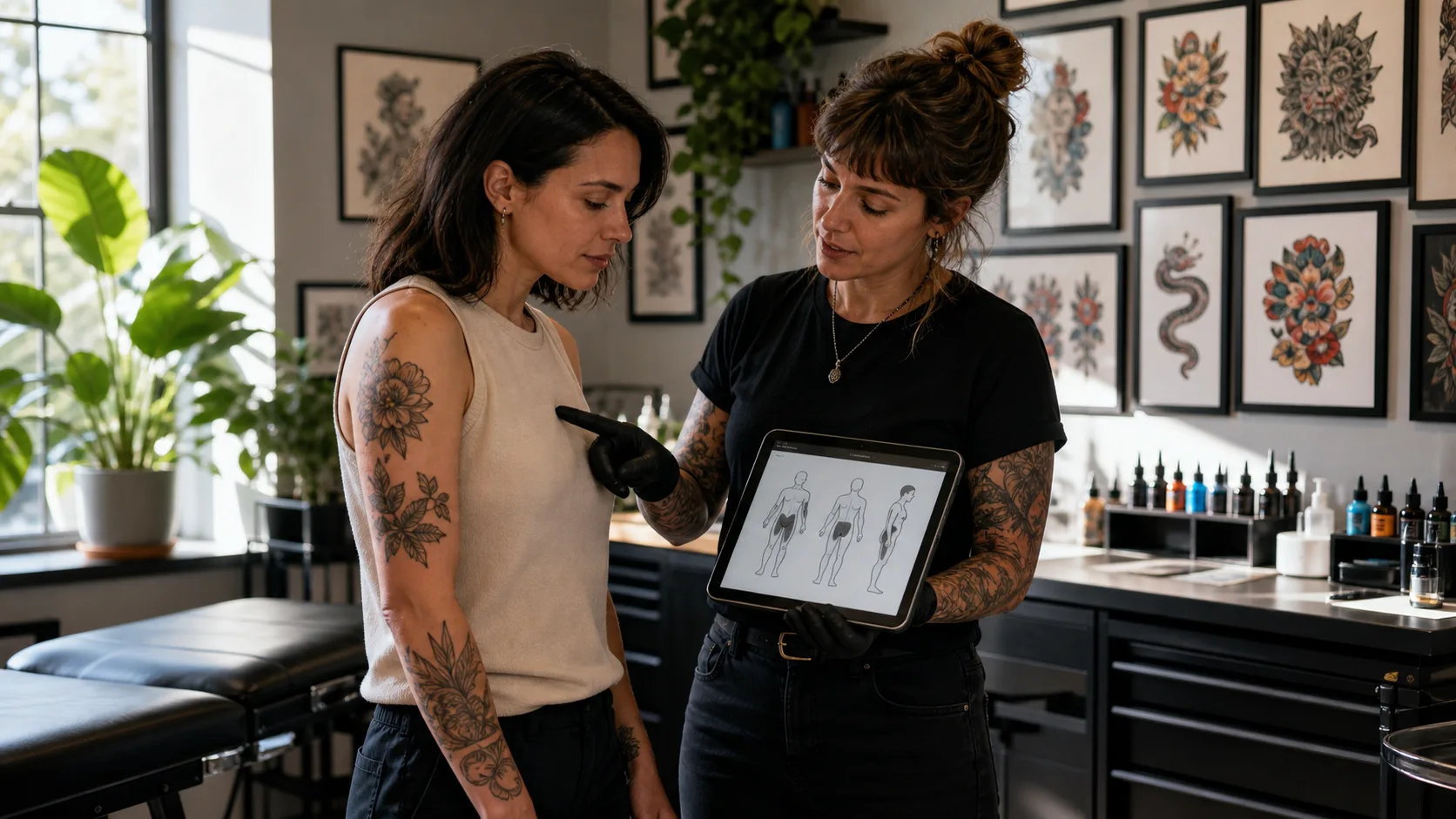
Getting a new tattoo during the cold tail-end of winter isn’t uncommon, especially around February when people are itching for something fresh. But it’s not just the appointment or design you need to think about. Healing in colder weather introduces a few challenges, especially when it comes to how your skin reacts and how long recovery takes. Some tattoo styles already take a little more time to settle into the skin, and when you mix that with low temps, things can move slower than expected. If you’re looking into painless tattoo spots or planning a session right now, it helps to understand how the cold might influence both where and what you get inked.
How Skin Reacts to Cold Weather During Healing
Colder months change how our skin behaves. Blood vessels stay tighter in the cold, and that reduces circulation, especially to the hands, feet, and areas that don’t stay warm under thick clothing. Since tattoos rely on a strong healing response, this slower blood flow can affect how the skin bounces back.
- Swelling may last longer without steady circulation carrying white blood cells through tissues.
- Scabbing can appear darker or thicker and stick around longer than it would during warmer months.
- Fresh tattoos might feel stiffer or itchier when the skin stays cold for extended periods.
These effects can be more noticeable when you’re dealing with styles that put extra pressure on the skin. Heavier shading, multiple passes from the needle, or anything that covers a large area benefit from consistent blood flow and body heat. When it’s cold out, both are harder to maintain, which slows the healing timeline.
Your skin might also feel drier in winter, especially after time spent outdoors or in heated homes. Dry air can leave your tattoo more vulnerable to cracking or itching, so moisturizing is important. Wearing gloves or extra layers sometimes helps, but be careful not to overheat the skin or cause unnecessary sweating, as that can add new irritation to a fresh tattoo.
Tattoo Styles That May Heal More Slowly in Winter
Not all styles heal at the same speed. Some techniques are known for their complexity, depth, or how many layers need to settle into the skin before your body can seal everything up.
- Realism and portrait tattoos include shading and blended tones that require precision. Healing goes smoother when the skin isn’t overly dry or brittle.
- Large-scale color pieces use bold fills and saturation that can strain the skin more than simpler designs.
- Fine line or script tattoos rely on clean detail. Cold skin tightness or dryness can disrupt how those lines settle.
These types of tattoos don’t always take longer by default, but when mixed with dry winter skin or inconsistent hydration, minor healing delays are more likely. Planning around those possible hangups can help reduce touch-up needs or peeling that interrupts detail work.
If you’re getting a single-needle style or a more delicate script, remember that each mark is more likely to get dry and need protecting. For blacks and grays, you may notice that shading heals a bit patchier without steady moisture and warmth. For full colors and sleeves, try to protect the area from wind or extra rubbing from coats and scarves so the ink holds up better.
How Placement Affects Cold-Season Healing
Where you get tattooed matters a lot during the winter. Extending an arm or leg outside for five minutes to scrape ice off a windshield might stress a healing tattoo more than you’d expect. Some placements are easier to protect from cold air or rubbing, while others require more caution when it’s freezing out.
- Lower fat areas like hands, ankles, or shins chill faster and hold warmth poorly, which makes recovery slower.
- Painless tattoo spots with natural padding, like the thigh or upper arm, tend to recover better when kept warm under consistent clothing layers.
- Areas that bend and stretch all day like around knees or elbows take a few extra hits, especially if winter gear adds friction or rubbing.
Choosing a spot that stays covered and doesn’t deal with sharp bending or cold surface contact makes it easier to maintain comfort during those critical first few days. If you’ve got a space in mind that gets cold easily, consider waiting for a warmer day or layering up in a way that doesn’t touch the tattoo directly.
Think about your daily activities, too. If your tattoo will be on a hand or wrist, you might have to go glove-free or adjust how you use pockets. Places like shoulders or backs might get some protection under shirts but can also rub more from thick winter clothing. Planning where you’ll get inked with cold months in mind lets you avoid unnecessary problems while healing.
Tips to Help Your Tattoo Heal Better in Cold Conditions
Winter healing takes a little more care and upfront planning. Things that might seem small can add up when your skin’s already under stress from weather and recovery.
1. Drink more water than you think you need. Cold air pulls moisture from your body, and dry skin leads to cracking or irritation.
2. Use a hydrating lotion that won’t clog healing skin. The air in heated homes often sucks moisture out, so even indoor skin protection matters.
3. Wear soft, loose clothes made from cotton or bamboo that don’t rub or hold seams over the healing area.
4. Limit time exposed to wind, snow, or cold surfaces right after your session. Use clean wraps or covers during your trip home if needed.
5. Keep blankets or heating pads nearby but don’t press them directly to the tattoo. It’s about overall warmth, not hot contact.
These ideas aren’t complicated, but they work best when you apply them consistently during the first few days of healing.
If you’re heading out, check that your clothes don’t stick or cling too tight. At home, allow the skin to breathe, even if you keep the room warm. Sometimes people forget how easily freshly tattooed skin can get irritated just from sitting next to a cold window or being pressed under a jacket seam.
Having supplies ready, like a good moisturizer and extra soft shirts or pants, can make the difference between smooth healing and frustration. Even wearing a slightly looser jacket or scarf for a couple weeks is worth it to keep the skin safe while it heals.
Benefits of Knowing Before You Book
Timing your piece around how it might heal in winter gives you better expectations going in. Being aware that some styles or placements recover differently in February can help you plan for smoother healing. That could mean wearing the right clothes, staying indoors more, or picking an area that’s easier to keep warm.
If you already know your skin stays dry or sensitive in cold months, styles with less shading or body movement might make more sense right now. Lucky Deville Tattoo Co artists are skilled in realism, black and gray, and color tattoo work, making it easy to select a style that best fits both your taste and your winter healing needs. We use modern tools and take pride in maintaining a comfortable environment, even in cold weather.
For anyone who has had tattoos heal in warm and cold months, the difference in how the skin feels is sometimes surprising. Understanding the basic ways climate interacts with skin lets you avoid unexpected trouble, minimize discomfort, and get better results from your session.
Winter Healing Made Simple
Thinking about getting inked while it’s still cold in Buffalo, NY? Choosing the right artwork and placement can make all the difference in your tattoo experience. Some areas naturally heal better indoors, making them smart picks if you’re hoping to avoid complications. We regularly walk clients through tattoo sizes, placement, and expectations, especially when comfort and recovery are top of mind. Explore some of the most common painless tattoo spots that tend to do well in colder months, and if you want to talk through your ideas, reach out to Lucky Deville Tattoo Co.