We hear a lot of questions about tattoo ink safety. More people are getting tattooed year-round, but summer tends to bring in the bigger crowds. With that, concerns about what’s actually going into your skin come up more often, especially during warmer months when tattoos tend to be more visible.
It makes sense to be cautious. After all, tattoos are personal and permanent. If you’re going to wear something forever, you want to know it’s safe. Let’s break down what tattoo ink really is, how it’s handled the right way, and why not everything you hear about it is true.
What Tattoo Ink Is (and What It Isn’t)
Tattoo ink might seem simple, but it’s made with purpose. It includes two main parts: pigment and a liquid carrier. Pigment is what gives the ink its color. The carrier helps it go into the skin smoothly and keeps it free from bacteria.
- Some pigments are made from natural minerals, while others are synthetic. The type used depends on the color and how long that color is meant to last.
- The carrier solution often includes water, alcohol, or glycerin. It keeps the pigment suspended and makes it easier to apply evenly.
- Tattoo ink goes deep, past the top layer of skin. That’s why the ingredients matter. They need to be made for the body, not just for the surface.
The ink isn’t supposed to sit on top. It’s meant to be part of your skin. So, it’s different from regular craft or sharpie ink and shouldn’t be compared to things that aren’t meant for human skin.
Myths People Believe About Tattoo Ink
There are a few tattoo ink myths we hear that get repeated a lot. Some sound convincing at first, but they’re often based on half-truths or misunderstandings.
- “All black ink is the same” isn’t true. Different brands and artists use different formulas. Some may look darker, heal differently, or work better on certain skin types.
- “Ink fades because it’s low-quality” isn’t always the case. Fading usually has more to do with how it’s applied, how the body heals, and what happens after you leave the shop. Sun exposure and skipping aftercare play a big role.
- “Homemade ink is safer because it uses fewer ingredients.” That may sound simple, but simpler doesn’t mean safer. Professional-grade ink goes through safety checks and consistent prep. DIY ink skips those steps, and that can lead to problems down the line.
Not everything you hear online or from friends with tattoos is worth following. What works well is talking directly with your artist. Most of us are happy to go over what we use and why.
How Tattoo Artists Handle Ink Safely
There’s a lot of care that goes into how tattoo ink is handled before it even reaches your skin. It’s not just about having the right product, but how it’s used every single time.
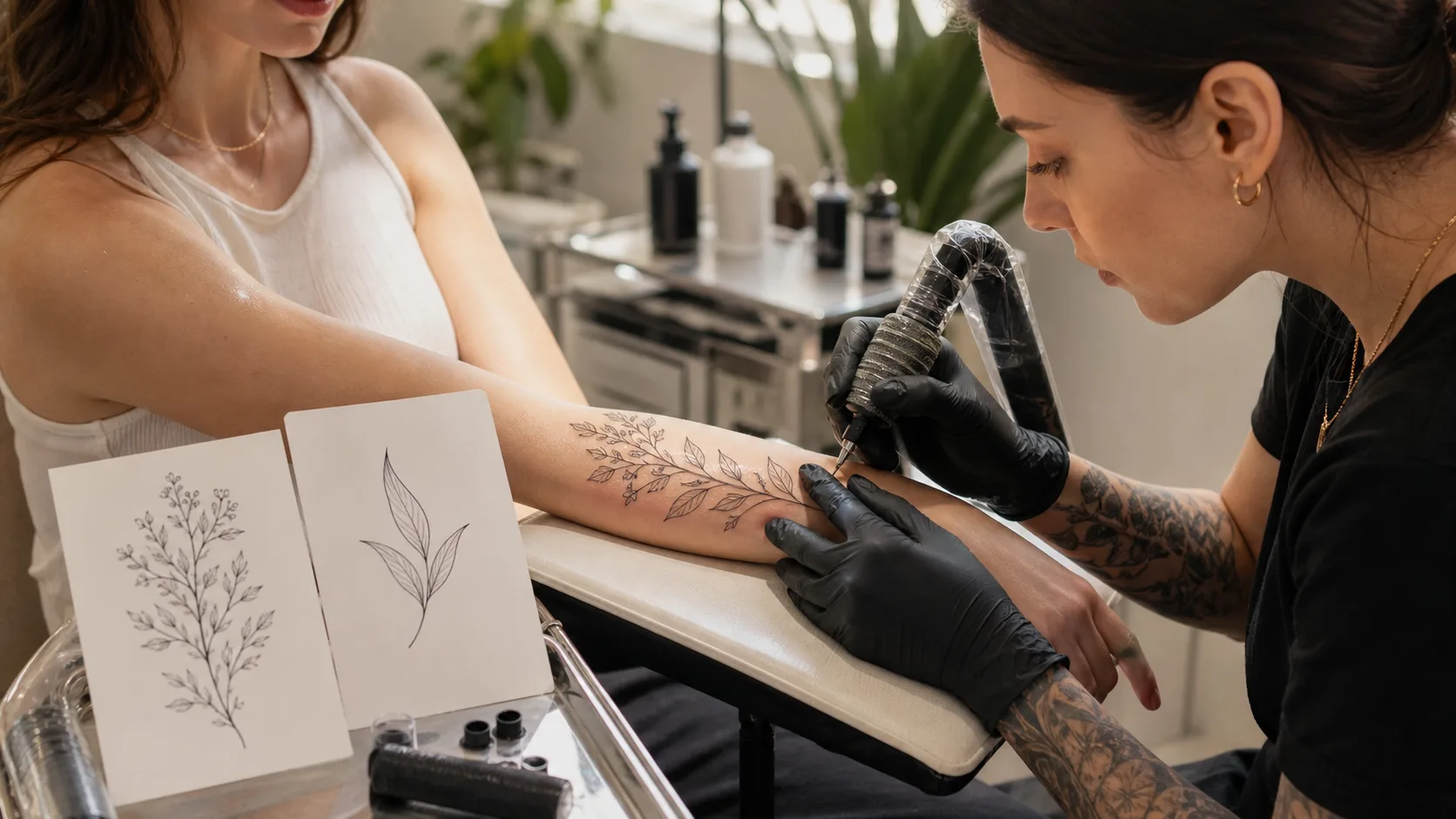
- We always pour ink into fresh, single-use caps for each person. This prevents shared contact between tools.
- We wear gloves that get changed during every step, from setup to cleanup. If anything gets touched, like a phone or bottle during the session, gloves are changed before tattooing continues.
- Bottles, surfaces, and machines are cleaned properly before and after every use. That way, there’s no carryover to the next client.
We’re trained to keep the space safe, and the habits are repeated constantly. It’s more than routine. It’s about protecting both the client and the artist every time.
What You Can Do To Stay Comfortable With Your Ink
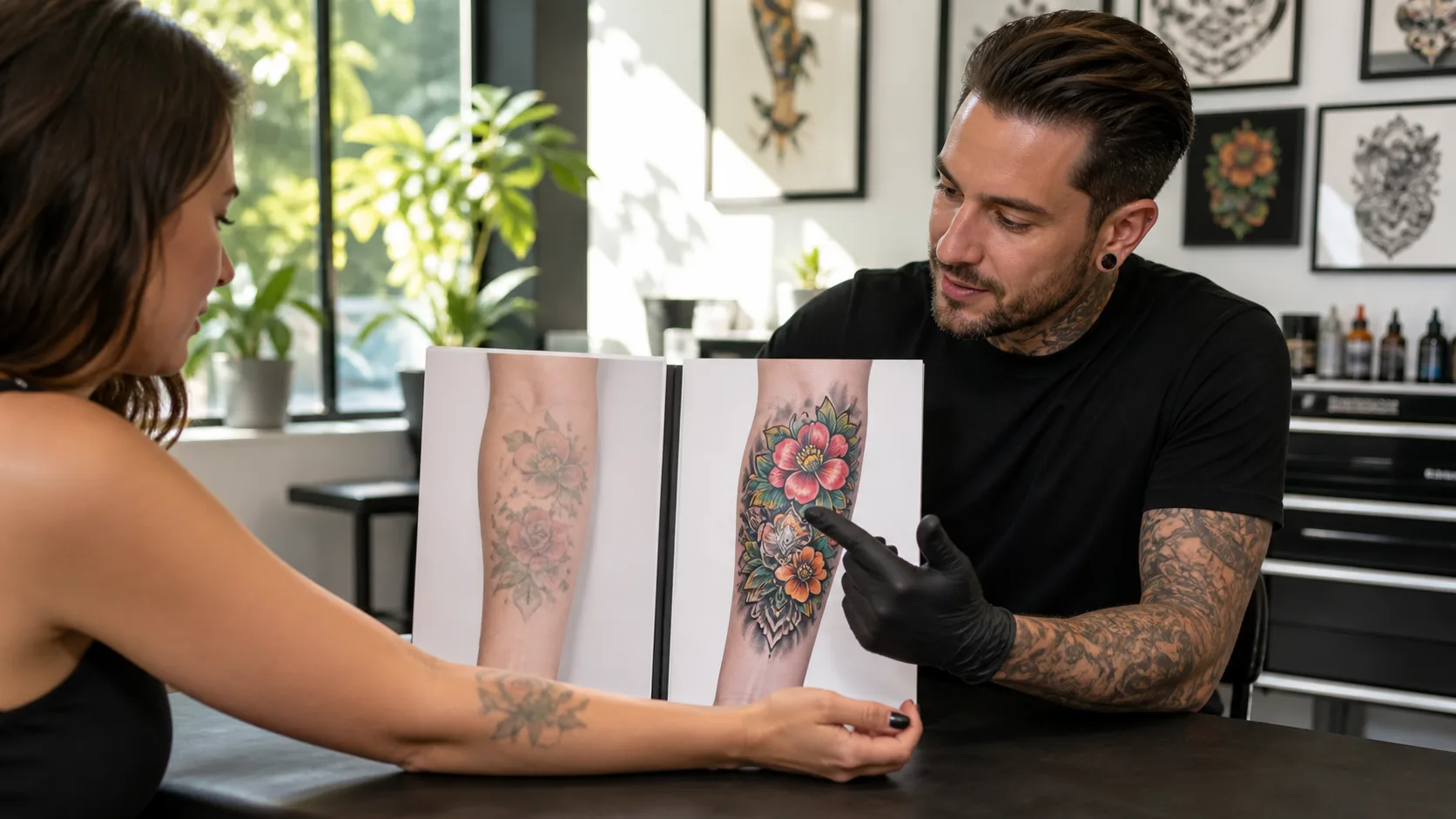
If you’re someone who likes to feel prepared, having a few clear questions ready can help keep you comfortable. There’s nothing wrong with asking what kind of ink will be used or mentioning past experiences.
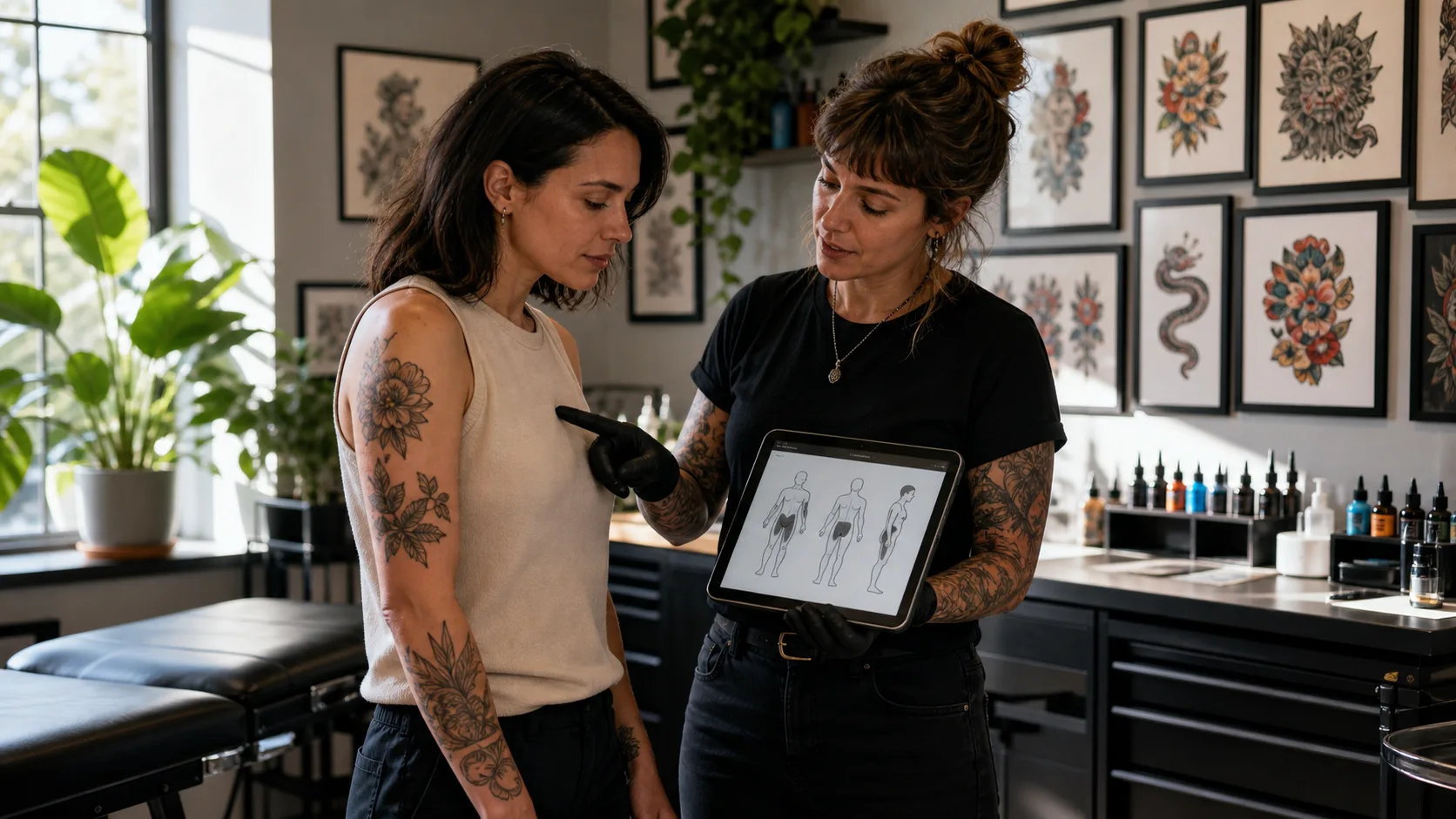
- Let us know if you’ve had skin reactions before. That helps guide decisions on the type of ink and placement.
- If you’re prone to sensitive skin or allergies, we can offer more info on what we’re using. It keeps the conversation clear and helps prevent surprises.
- Try not to get too deep into internet rabbit holes. A direct conversation will tell you far more than most online posts.
Quality tattoo shops keep open communication as one of their strongest tools. If you’re curious about something, ask. It shows you’re serious about taking good care of your skin, and that matters just as much as anything we do during the session.
Why Tattoo Ink Matters More in Warm Weather
In places like Buffalo, NY, the end of summer usually means heat, humidity, and more time outside. That mix makes a fresh tattoo more sensitive, and that’s when safe ink matters more than ever.
- When tattoos are exposed to the sun too soon, they can heal poorly or lose their rich color. Choosing inks that hold up longer helps, especially on areas like arms or legs that see more daylight.
- Sweat and friction are big parts of daily life in late summer. Good aftercare helps protect the ink, but the quality of the ink also impacts how that healing holds up.
- Loose, breathable clothes and careful cleaning go a long way. Even something as small as wearing the wrong fabric can make healing tougher.
We talk a lot about aftercare in warmer months for a reason. It’s when environments around your skin change the most. The mix of heat and moisture makes safe products and clean practices that much more important.
Knowing What Goes in Your Skin Makes It Easier to Trust the Art
Once you understand what tattoo ink really is and how it’s handled, it gets much easier to relax and enjoy the process. Most artists want you to ask questions, not just about the art, but about the care and materials too.
When clients know what goes into their skin, they show up more confident and calm. That trust makes a difference in the whole experience. And when you’re working with clean tools and safe products, the final result has a better chance of healing well and lasting long. That’s a good place to be, especially when your tattoo is something you’ll carry with you for life.
Ready to make your tattoo vision a reality with a focus on safety and quality? At Lucky Deville Tattoo Co, we prioritize top-notch tattoo ink, ensuring your art heals beautifully and lasts long. When you’re searching for the best tattoo shops in Buffalo, NY, choose a place that offers clear communication and expert guidance. Book a session with us today and experience the dedication we bring to every piece of art.