Some tattoo artists stick to certain body areas for one simple reason: the skin isn’t the same everywhere. It stretches, bends, moves, and reacts differently depending on where it is. What looks crisp and solid on a flat surface might twist or blur on a curved or high-motion spot. That’s why tattoo artist specialties matter more than most clients realize.
We see it all the time. Someone walks in with a design idea that needs a particular placement, but they haven’t thought about how that area will affect the final look. Certain styles just work better in some places than others, and healing time isn’t the same for every spot either. Picking an artist who knows the area well can lead to a smoother experience and a longer-lasting design.
How Body Area Impacts Tattoo Design
Every part of the body holds ink differently. This changes how a design looks once it’s healed.
- Flat areas like the outer thigh or upper arm make it easier to keep lines clean. These spots don’t move as much, which helps with precision.
- Some styles, like geometric shapes or symmetrical patterns, need stable, even canvas space. When applied to soft or curved areas, the look can shift over time.
- Places that stretch a lot, like the ribs or stomach, add an extra challenge. The skin moves with every breath or bend. That means the strokes and shapes might need to be adjusted to stay balanced.
- Artists often lean into the body zones that support the kind of work they enjoy the most. For example, a portrait artist might prefer the upper arm or back, where skin is smoother and more forgiving.
We’ve learned that great design starts with knowing where it belongs. It’s not just about the art, it’s about how it lives on your body.
Tools and Techniques Adjusted by Area
Different spots need different tools and strategies. What works well on your forearm may be totally wrong for the back of your knee.
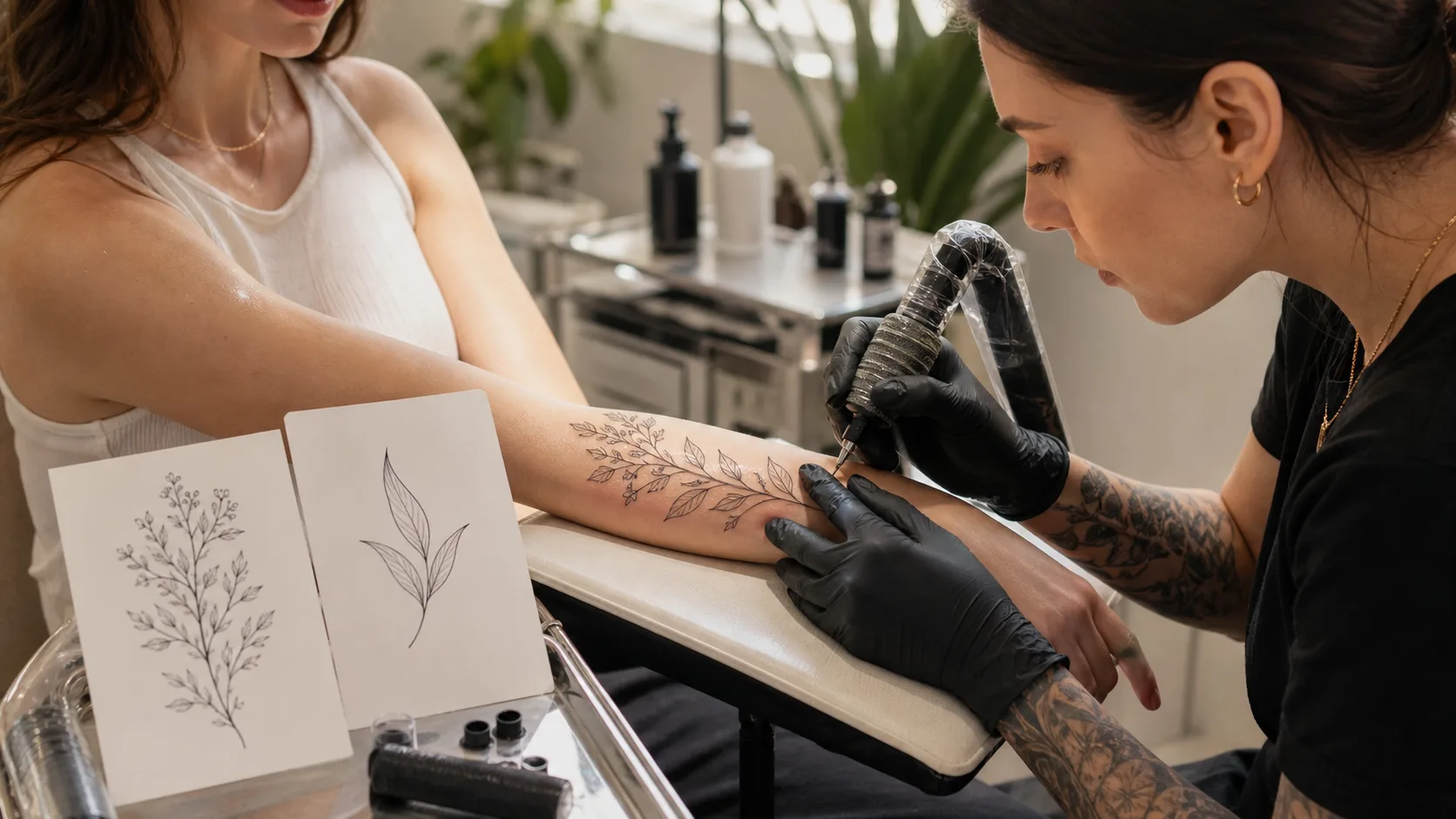
- A bony area like the wrist might require smaller needles and lighter hand pressure. Skin is thinner there, and even small mistakes can be painful or visible.
- Larger muscles like the shoulder or thigh allow for deeper saturation, making them better for bold color work or heavy shading.
- Depending on the skin type in that region, we may adjust the angle of the tattoo machine or the way we stretch the skin. Fine-line work near joints takes a steadier hand and a slower pace.
- Over time, artists who focus on one region get sharper skills for that spot. Their muscle memory improves, and they develop tricks that reduce irritation or speed up the process.
Focusing on a body area lets us really refine how we use our tools. It makes the process more comfortable for the client and helps the final piece age better.
Healing and Aftercare Varies by Location
Not all placements heal at the same pace. That matters a lot, especially during the last weeks of summer in Buffalo, NY, when the sun is strong and people are more active.
- Tattoos on the inner arm or ankle, where there’s a lot of movement or rubbing, often take longer to settle. They may scab more or require more lotion.
- Foot tattoos can be especially tricky. Shoes cause friction, and sweat can keep the area too moist. Elbows and knees are similar, they bend constantly and don’t always stay clean.
- Healing on the back or shoulder tends to be smoother if the client avoids long sun exposure or tight backpack straps.
- Artists who regularly work on harder-to-heal spots often give specific aftercare directions. They know what signs of irritation to watch for and can recommend simple habits that help.
You’ll feel more confident getting tattooed when you understand what kind of aftercare your placement will need. Artists who know the area can cut down on surprises later.
Why Clients Often Seek Out Area Specialists
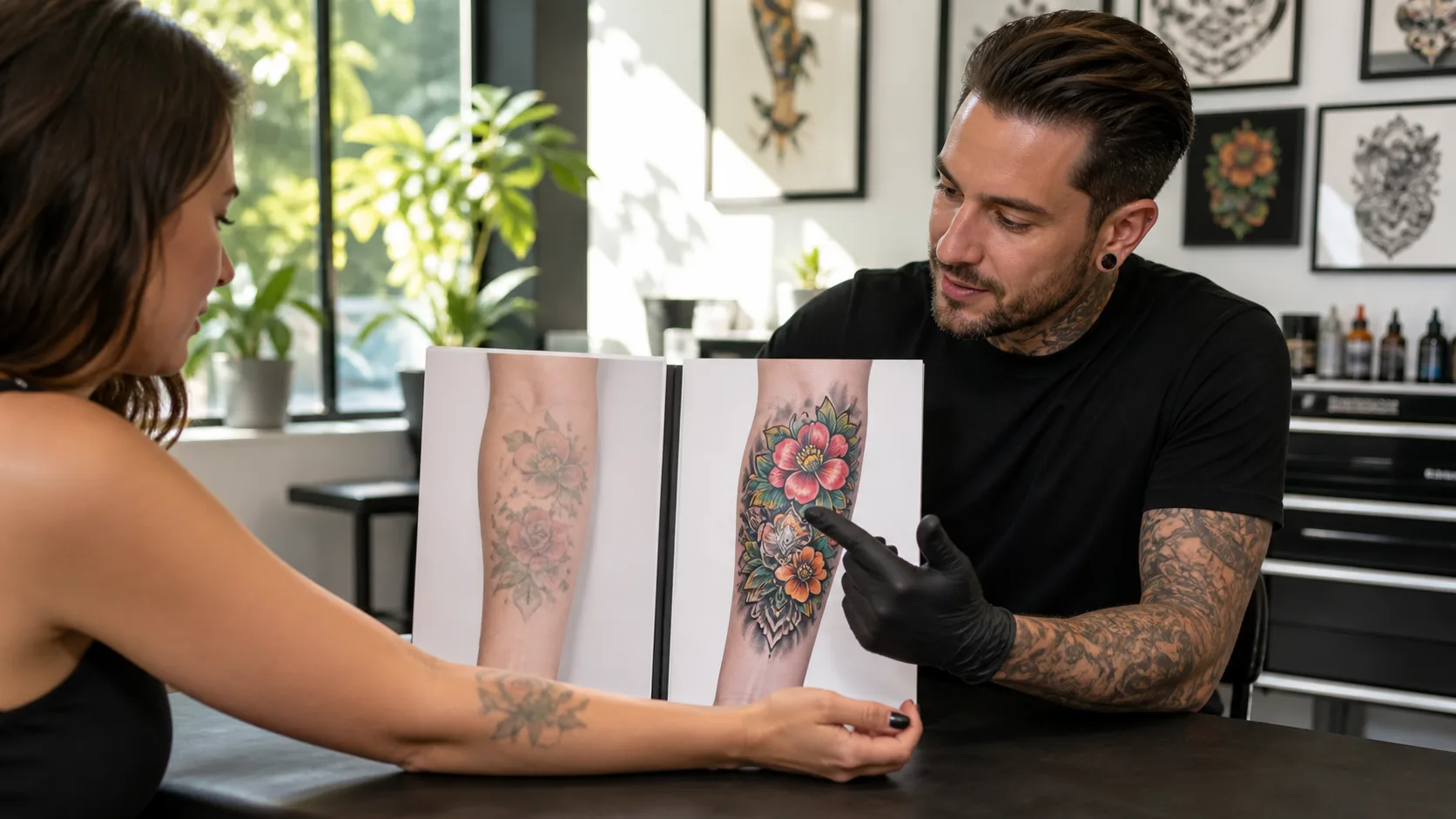
More people are asking for tattoos that flow with their bodies, and that takes planning. A big design across the chest or along the ribs has a different set of challenges than a forearm tattoo or a lower leg piece.
- Shape and size matter. The movement of your muscles, the lines of your torso, even how you walk, these all affect how the tattoo is read when people see it.
- Clothing plays a part too. If someone wants a piece that can be covered for work or highlighted during events, placement becomes part of the design decision.
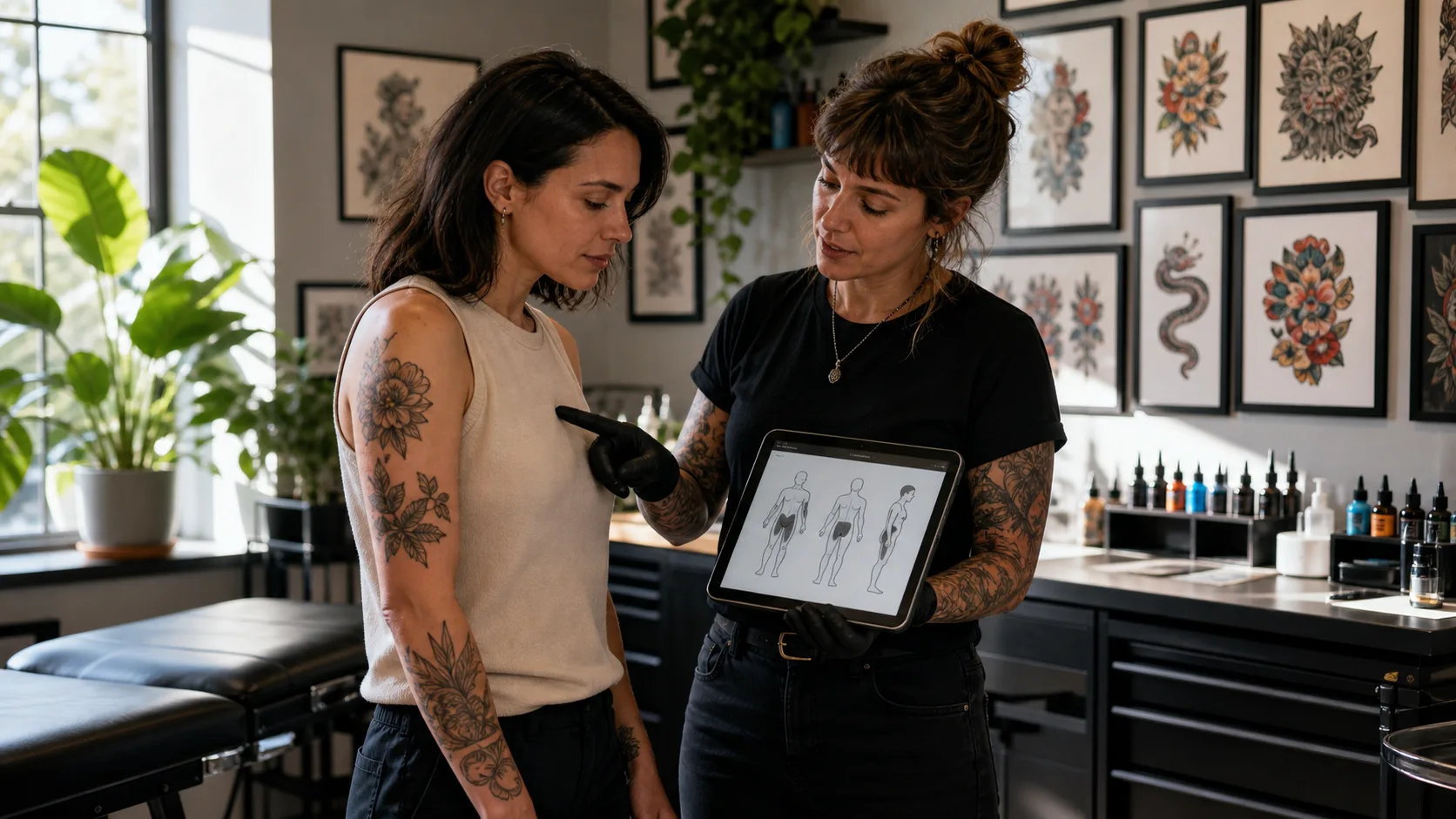
- Clients often come in hoping for advice. A specialist who works a lot on backs, for example, will have a better feel for how to spread a design across both shoulder blades without pulling or overlapping lines.
Matching the right idea to the right space isn’t pure guesswork. It takes a trained eye and plenty of repetition. Clients who know what they want in one area often do better with someone who’s worked that zone over and over.
Trusting the Artist’s Experience with Skin Placement
We pay attention to how tattoos age. Some colors hold up better in sun-exposed spots. Some lines blur faster on moving joints. Artists get better results when they know how a specific part of the body responds over months and years.
- Repetition builds understanding. An artist who’s done hundreds of lower leg pieces knows how the calf curves, where veins are located, and how the skin reacts mid-session.
- They’ve probably seen what works, and what doesn’t, when clients come back to show their healed tattoos. That gives them better judgement on how to space elements and adjust details before starting.
- This experience saves time and solves problems early. It lets us give direct, clear advice without guessing.
We take tattoos seriously, and treating the skin as more than a surface helps produce long-lasting work. Placement is part of the whole story, from the shape of the design to how it’ll look five years from now.
Choosing an Artist Who Understands the Canvas
Tattooing isn’t just about ink, machines, and stencils. We work with the shape, tone, and feel of each person’s body. The better we know a specific area, the better we can design for it.
- Skin reacts differently with every age group, body type, and lifestyle. Artists who focus on one part of the body get used to how that part moves and ages over time.
- Placement specialists often suggest designs that play with the body’s natural lines (like muscle curves or bone structures), helping the tattoo look more natural, like it belongs there.
- When someone is nervous or unsure, that area-based knowledge builds trust. We can explain why we’re recommending one direction over another and back it up with real examples.
If you’re thinking about your next piece, or your first, it’s worth having a conversation about placement, even if you already like your idea. Getting that extra layer of guidance from someone trained in a specific spot can make all the difference.
Plan With Knowledge and Confidence
Our job is to help your tattoo fit your body like it was always meant to be there. That takes more than a good idea. It takes knowing the canvas, too.
At Lucky Deville Tattoo Co, we understand that choosing the right placement and artist can make or break your tattoo experience. That’s why we pride ourselves on offering expert advice and skilled artistry that suits your unique body and style. If you’re seeking one of the best tattoo artists in Buffalo, look no further. Reach out to us today and let us help you bring your vision to life with precision and care.