Getting a tattoo is something most people look forward to with excitement. Whether it’s your first piece or one more to add to your collection, the moment the design comes to life on skin can be unforgettable. But it’s not all smooth sailing for everyone. After the initial excitement fades, some people may start noticing irritation or skin changes where the tattoo was done. That can catch you off guard and lead to a lot of questions.
If you’re experiencing unexpected symptoms, it doesn’t mean your tattoo is ruined. Skin reactions can be part of the healing process, but sometimes they’re a sign that something isn’t going quite right. Knowing what’s normal and when there might be a problem is key to handling these situations calmly and with care. Here’s how to spot the difference and what steps to take next.
Recognizing Common Skin Reactions
Once a tattoo is finished, your skin naturally reacts to that process. After all, tattooing involves hundreds of tiny pinpricks depositing ink just under your skin. The area will be tender for a while, and some reactions are completely normal in the healing phase.
A few things you may notice include:
– Redness that sticks around for a few days
– Light swelling
– Itching, especially once a scab begins to form
– Mild bruising or sensitivity
All of those can be expected. They’re signs that your body is responding the way it usually does to something new and slightly invasive. It’s a healing wound, and that means a bit of discomfort is part of the process.
That said, not every reaction should be shrugged off. Any intense burning, raised rashes, pus, or extreme swelling that worsens instead of improving needs closer attention. These could point to issues like infection or an allergic response to the ink. One example would be a tattoo that stays red, puffy, and hot to the touch beyond the first few days, with no signs of getting better. That’s your cue to look into some next steps.
Immediate Steps To Take
Your first response can make a big difference if your skin starts reacting badly to new ink. Treating even a mild reaction early can stop it from becoming something more serious.
Here’s a handy checklist of what you can do right away:
1. Gently clean the area with lukewarm water and unscented soap. Don’t scrub.
2. Pat it dry using a clean towel. Avoid rubbing.
3. Apply a cool compress to ease any swelling or itching.
4. Keep the area uncovered or loosely wrapped with a breathable covering. Avoid tight clothing.
5. Do not scratch or pick at the tattoo, even if it’s itchy or flaky.
Most minor reactions will fade in a few days with careful attention. But if you spot signs like yellow discharge, high fever, red streaks moving from the tattooed area, or nonstop intense pain, those are red flags. That’s when it’s time to call a healthcare provider. Allergic reactions do happen, especially for people sensitive to certain ink pigments. Acting sooner rather than later can prevent complications.
It’s always better to play it safe and get an expert opinion if you’re unsure about what your body is telling you. Trust what you’re seeing and how it feels instead of hoping it clears up on its own. Stay consistent with aftercare and focus on cleanliness. That alone can make a big difference in how your skin bounces back.
Long-Term Care And Prevention Tips
Once the worst of the reaction has passed, staying on top of your tattoo care helps lower the chances of future skin issues. At this stage, your skin is working hard to rebuild, and your habits can make or break the final look of your tattoo.
Here are a few long-term care tips that go a long way:
– Use a fragrance-free moisturizer every day, especially during the initial healing period.
– Keep your tattoo shielded from the sun. UV rays can dull ink and irritate your skin. Once healed, use gentle, broad-spectrum sunscreen.
– Avoid soaking the area in pools, hot tubs, or baths until it’s fully healed.
– Stick to loose-fitting clothes that let your skin breathe instead of rubbing against the tattoo.
– Keep an eye out for delayed ink reactions, especially if you have sensitive skin.
If you’ve had a reaction once, take steps to minimize the chance of it happening again. One of the easiest ways is to ask for a patch test with the planned ink before getting a new tattoo. This is especially handy for people who have reacted to certain colors like red or yellow.
It’s also a smart move to choose an experienced artist who uses high-quality ink and follows strict hygiene practices. Don’t feel awkward asking questions. A good artist should be able to tell you which ink they’re using and how they clean their equipment.
When To Consult A Tattoo Professional In Buffalo
Sometimes, basic home care just won’t be enough. If the reaction sticks around or gets worse, it may be time to speak with a professional. Whether it’s the artist who did the tattoo or a new one with strong experience, they can help you figure out what’s going on and how best to treat it.
Reach out when:
– The reaction comes back even weeks after getting the tattoo
– The ink looks patchy or remains raised after the healing period
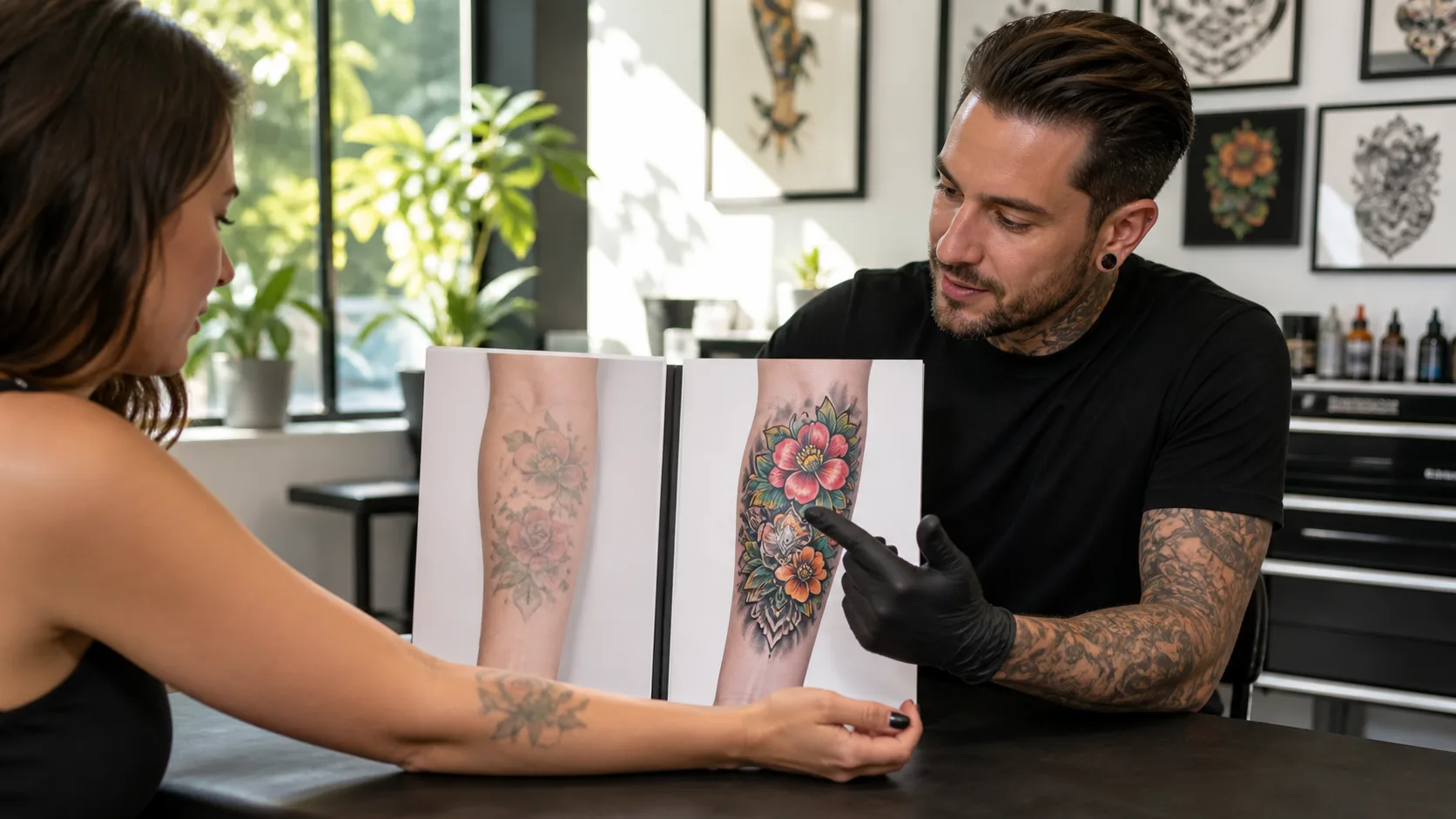
– You’re thinking of a cover-up or touch-up but the current artwork hasn’t settled
– You’re unsure about how your skin will handle another round of ink
– Your skin doesn’t feel “normal” under the design, even months later
Getting expert feedback gives you the chance to catch bigger issues before they cause lasting damage. Even better, a good artist knows what to look for and can tell you if what you’re seeing is part of your body’s process or something needing medical care.
Make sure the artist you choose takes time to understand your concerns, asks the right questions, and respects how your skin reacts. Good aftercare starts with a knowledgeable artist who cares about more than just finishing the tattoo.
Keep Your Ink And Skin Healthy Long After Healing
Once your tattoo is healed, it’s easy to forget about skin care—until something changes. Tattoos last a lifetime, and your skin is always going through small shifts that can either support or harm the look of your ink.
Here are easy habits you can stick with to keep both your skin and tattoo in shape:
– Moisturize daily, especially during colder Buffalo months when the air is dry.
– Reapply sunscreen if you’ll be outside for long stretches. Tattoos under light clothing still get exposed.
– Check your tattoo once in a while for signs like uneven color, new bumps, or fading.
– Revisit your artist if you’re thinking about combining designs or if an older one needs attention.
When your skin starts behaving differently, a quick check-in with a tattoo professional can help keep your ink looking sharp. Staying aware of how your skin changes over time is one of the best things you can do.
Tattoo care doesn’t stop the day it feels healed. Keeping that design bright and skin smooth takes a little effort, but it’s worth it when you catch your reflection and feel good about what you see.
When Something Feels Off, Don’t Wait
Tattoo reactions don’t follow a script. You could have zero issues one time and trouble the next—even with the same ink or artist. The best thing you can do is listen to your skin and take things seriously when symptoms seem unusual.
You don’t have to figure it out alone or rely on generic advice. Buffalo is home to artists who understand skin just as well as they understand the craft of tattooing. Your skin, your ink, and your comfort deserve careful attention and someone willing to help when things get tricky.
With solid help and the right care, your tattoo can heal the way it was meant to. And once it’s healed, ongoing care keeps your skin looking good for years to come. Every tattoo and skin type is different. That’s why getting support from the right person at the right time makes all the difference.
If you’re experiencing unexpected reactions to tattoo ink, it’s crucial to have guidance from experts who know skin and tattoos inside out. At Lucky Deville Tattoo Co, we’re recognized for offering exceptional tattoo services in Buffalo. Whether you need help with healing issues, touch-ups, or long-term care, our dedicated team is here to support you every step of the way. Discover how we can assist in making your tattoo experience the best it can be.